 Pod Save America Hosts Call on Democrats to Cut All Israel Military Aid, No Longer Accept AIPAC Funding
 Jews, Israelis Targeted in Austria Amid Surge in Antisemitic Incidents; Local Jewish Community Calls for Action
 ‘All of Our Strength’: Over 1,000 Pro-Israel Activists Gather in DC for Solidarity Conference
 ‘Devastated’: Wesley LePatner, Killed in Manhattan Mass Shooting, Was a Jewish Communal, Philanthropic Leader
 Sen. Angus King Vows to No Longer Vote for Israel Military Aid Until Gaza Conditions Improve
 Europe Won’t Pressure Israel to ‘Commit Suicide’ Amid Gaza Backlash, Palestinian State Push, Says Israeli FM
 Israel’s National Soccer Coach Attacked in Athens Before Soccer Fans Chant ‘F–K Israel, Free Palestine’ at Match
 New York Judge Sentences Neo-Nazi to 5 Years for Livestreaming Bomb Threats Against Jewish Hospitals
 US Pressures Lebanon to Issue Cabinet Decision to Disarm Hezbollah Before Talks Continue
 UK Plans to Recognize Palestinian State in September Unless Israel Meets Conditions, Starmer Says


As Lebanon Subsidy Crunch Looms, UN Agencies Warn of Social Catastrophe
Error: Contact form not found.
 by Reuters and Algemeiner Staff

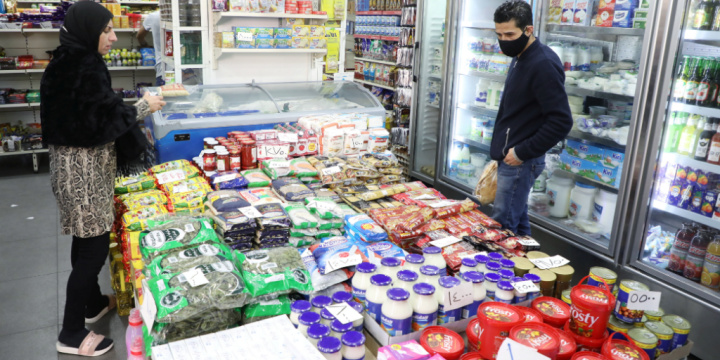
Customers shop inside a grocery store, in Beirut, Lebanon, Dec. 7, 2020. Photo: Reuters / Mohamed Azakir.
The removal of subsidies in Lebanon without guarantees to protect the vulnerable would amount to a social catastrophe, two UN agencies said on Monday, warning there is no parachute to soften the blow.
With Lebanon deep in financial crisis, the central bank has been subsidizing basic goods by providing hard currency to importers at the old exchange rate of 1,500 Lebanese pounds to the dollar even as the currency fell by 80 percent from the peg.
Central bank governor Riad Salameh said last week the subsidies could be kept for only two more months, urging the state should come up with a plan.
Though Lebanon faces the gravest crisis since the 1975-90 civil war, policymaking has been crippled by old rivalries between fractious politicians. Saad al-Hariri was nominated to form a new government in October but one has yet to be agreed.
“The impact of removing price subsidies on the country’s most vulnerable households will be tremendous and yet there is almost nothing in place to help soften the fall,” the UNICEF’S Lebanon country representative and the ILO’s regional director wrote in an op-ed.
“It is critical to realize that for Lebanon to fly off another cliff now, without first putting in place an inclusive system of social guarantees, would be to inflict a social catastrophe on the country’s most vulnerable people, sacrificing their wellbeing, and that of the country as a whole, for many years to come,” they wrote.
The universal way in which Lebanon has been subsidizing basic goods including fuel, wheat and medicine has been widely criticized, including by senior politicians from ruling parties, because it does not target those most in need.
A rough analysis shows up to 80 percent of the subsidies may actually be benefiting the wealthiest 50 percent with only 20 percent going to the poorer half, UNICEF Representative Yukie Mokuo and ILO Regional Director Ruba Jaradat wrote in their op-ed.
The caretaker government is due to meet Salameh on Monday to discuss the subsidies.
The World Bank has said poverty is likely to continue to worsen and engulf more than half the population by 2021.