 Pod Save America Hosts Call on Democrats to Cut All Israel Military Aid, No Longer Accept AIPAC Funding
 Jews, Israelis Targeted in Austria Amid Surge in Antisemitic Incidents; Local Jewish Community Calls for Action
 ‘All of Our Strength’: Over 1,000 Pro-Israel Activists Gather in DC for Solidarity Conference
 ‘Devastated’: Wesley LePatner, Killed in Manhattan Mass Shooting, Was a Jewish Communal, Philanthropic Leader
 Sen. Angus King Vows to No Longer Vote for Israel Military Aid Until Gaza Conditions Improve
 Europe Won’t Pressure Israel to ‘Commit Suicide’ Amid Gaza Backlash, Palestinian State Push, Says Israeli FM
 Israel’s National Soccer Coach Attacked in Athens Before Soccer Fans Chant ‘F–K Israel, Free Palestine’ at Match
 New York Judge Sentences Neo-Nazi to 5 Years for Livestreaming Bomb Threats Against Jewish Hospitals
 US Pressures Lebanon to Issue Cabinet Decision to Disarm Hezbollah Before Talks Continue
 UK Plans to Recognize Palestinian State in September Unless Israel Meets Conditions, Starmer Says


The Dispute on How to Handle Iran Could Cost Us
Error: Contact form not found.
 by Yoav Limor / JNS.org

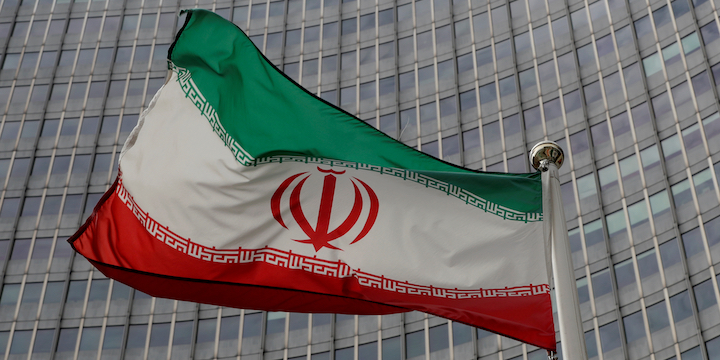
An Iranian flag flutters in front of the International Atomic Energy Agency (IAEA) headquarters in Vienna, Austria September 9, 2019. Photo: REUTERS/Leonhard Foeger/
JNS.org – With talks between Iran and Western powers about the United States returning to the 2015 nuclear deal poised to relaunch, Israel finds itself in a particularly problematic situation.
A high-level meeting convened this week by Israeli Prime Minister Benjamin Netanyahu highlights the extent of the problem. In the meeting, National Security Council head Meir Ben-Shabbat laid out an approach quite contrary to that of the Americans, and which another official present called “particularly apocalyptic and extreme.” Mossad director Yossi Cohen and IDF Chief of Staff Lt. Gen. Aviv Kochavi opposed Ben-Shabbat’s approach, arguing that Israel must avoid a public clash with Washington. IDF Military Intelligence Directorate head Maj. Gen. Tamir Hayman and Israel Atomic Energy Commission director Zeev Snir were of like mind, as were Defense Minister Director-General Amir Eshel and Zohar Palti, the head of the Defense Ministry’s Political-Military Bureau.
This disagreement between experts reflects a similar split in the country’s political echelon. The prime minister is very skeptical about the possibility of reaching understandings with the Americans that will improve the original nuclear deal, whereas Defense Minister Benny Gantz and Foreign Minister Gabi Ashkenazi believe Israel must try and talk to the administration, as well as other signatories to the deal, primarily Germany, France and Britain.
The meeting ended with operational decisions (the NSC will coordinate a professional forum focusing on the political aspects of the Iranian issue, and the Mossad and the IDF will continue to collect intelligence and prepare military options), but no strategic ones. Israel did not wind up defining what outcome it wants to see, or what its red lines will be. The only thing agreed upon was the need to work with Washington for now, if only to ensure that every effort has been made.
The awkwardness on the Israeli side, which is increasing in light of the country’s upcoming election and the intense rivalry between Netanyahu, Gantz and Ashkenazi, will make it very hard for Israel to wage an effective campaign with a US administration that already seems to lack empathy for Israel. The Americans have committed to keeping Iran away from a nuclear weapon, but their open eagerness to rejoin the original nuclear deal is very disturbing, given the huge holes in it. Hints from Washington that these holes will be addressed going forward sound particularly naive—the moment the deal is renewed and the sanctions on Iran are lifted, Iran will have no incentive to agree to any concessions.
In quiet talks between the United States and Israeli defense bodies over the past few weeks, Israel floated a few aspects of the 2015 deal that, if amended, could transform the deal “from bad to more than reasonable,” as one official put it. Top of the list would be its expiration date, along with tighter oversight of Iran’s nuclear activity, limits to its ballistic-missile development and manufacturing, and limits to Iran entrenching itself in the Middle East, especially Yemen.
The way things look now, it’s doubtful that the Americans see eye to eye with Israel. This is concerning, but not a reason to throw up our hands. The fat lady still hasn’t sung, and until she does, Israel has both time and room to exert influence. To do that, however, it needs to arrange matters at home and coalesce a clear strategy.
Yoav Limor is a veteran Israeli journalist and columnist for Israel Hayom.
This article first appeared in Israel Hayom.