 Pod Save America Hosts Call on Democrats to Cut All Israel Military Aid, No Longer Accept AIPAC Funding
 Jews, Israelis Targeted in Austria Amid Surge in Antisemitic Incidents; Local Jewish Community Calls for Action
 ‘All of Our Strength’: Over 1,000 Pro-Israel Activists Gather in DC for Solidarity Conference
 ‘Devastated’: Wesley LePatner, Killed in Manhattan Mass Shooting, Was a Jewish Communal, Philanthropic Leader
 Sen. Angus King Vows to No Longer Vote for Israel Military Aid Until Gaza Conditions Improve
 Europe Won’t Pressure Israel to ‘Commit Suicide’ Amid Gaza Backlash, Palestinian State Push, Says Israeli FM
 Israel’s National Soccer Coach Attacked in Athens Before Soccer Fans Chant ‘F–K Israel, Free Palestine’ at Match
 New York Judge Sentences Neo-Nazi to 5 Years for Livestreaming Bomb Threats Against Jewish Hospitals
 US Pressures Lebanon to Issue Cabinet Decision to Disarm Hezbollah Before Talks Continue
 UK Plans to Recognize Palestinian State in September Unless Israel Meets Conditions, Starmer Says


Ransomware Takes Center Stage in US Official’s Middle East Trip
Error: Contact form not found.
 by Reuters and Algemeiner Staff

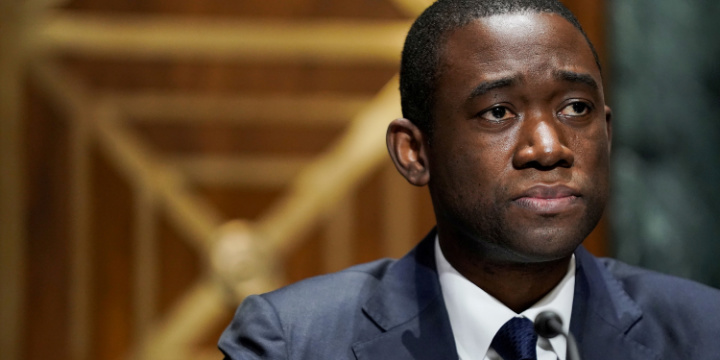
Economist Adewale “Wally” Adeyemo listens to questions during his Senate Finance Committee nomination hearing to be Deputy Secretary of the Treasury in the Dirksen Senate Office Building, in Washington, D.C., US, February 23, 2021. Greg Nash/Pool via REUTERS
US Deputy Treasury Secretary Wally Adeyemo will travel to the Middle East on Friday, a Treasury spokesperson told Reuters, where he will seek to build partnerships on ransomware and cybersecurity as hackers wreak havoc among some of America’s more vital industries.
Adeyemo, in the highest-ranking visit of a Treasury official to the region under President Joe Biden’s administration, will also discuss countering terrorist financing and proliferation as well as economic recovery following the coronavirus pandemic in his visits to Israel, Saudi Arabia, the United Arab Emirates and Qatar.
In Israel, Adeyemo will raise how to focus technology to counter ransomware and other cyber-related threats, the spokesperson said.
It was unclear if he would raise Israeli spyware company NSO Group, which the US Commerce Department added to its trade blacklist this month, saying they sold spyware to foreign governments that used the equipment to target government officials, journalists and others.
Biden has made the government’s cybersecurity response a top priority following a series of attacks this year that threatened to destabilize US energy and food supplies.
Hackers use ransomware to take down systems that control everything from hospital billing to manufacturing. They stop only after receiving hefty payments, typically in cryptocurrency.
This year, gangs have hit numerous US companies in large scale hacks. One such attack on pipeline operator Colonial Pipeline led to temporary fuel supply shortages on the US East Coast. Hackers also targeted an Iowa-based agricultural company, sparking fears of disruptions to grain harvesting in the Midwest.
The US Treasury Department in a sanctions review last month warned that digital currencies and payment systems could reduce the efficacy of US sanctions, allowing the transfer of funds outside the dollar-based financial system.
“The Deputy Secretary’s visit comes on the heels of a sanctions review that emphasized multilateral coordination on sanctions, as well as the threats posed by emerging technologies like virtual assets,” the spokesperson said.