 Pod Save America Hosts Call on Democrats to Cut All Israel Military Aid, No Longer Accept AIPAC Funding
 Jews, Israelis Targeted in Austria Amid Surge in Antisemitic Incidents; Local Jewish Community Calls for Action
 ‘All of Our Strength’: Over 1,000 Pro-Israel Activists Gather in DC for Solidarity Conference
 ‘Devastated’: Wesley LePatner, Killed in Manhattan Mass Shooting, Was a Jewish Communal, Philanthropic Leader
 Sen. Angus King Vows to No Longer Vote for Israel Military Aid Until Gaza Conditions Improve
 Europe Won’t Pressure Israel to ‘Commit Suicide’ Amid Gaza Backlash, Palestinian State Push, Says Israeli FM
 Israel’s National Soccer Coach Attacked in Athens Before Soccer Fans Chant ‘F–K Israel, Free Palestine’ at Match
 New York Judge Sentences Neo-Nazi to 5 Years for Livestreaming Bomb Threats Against Jewish Hospitals
 US Pressures Lebanon to Issue Cabinet Decision to Disarm Hezbollah Before Talks Continue
 UK Plans to Recognize Palestinian State in September Unless Israel Meets Conditions, Starmer Says


Intel Drops $5.4 Billion Deal With Israeli Chipmaker Amid US-China Spat
Error: Contact form not found.
 by i24 News and Algemeiner Staff

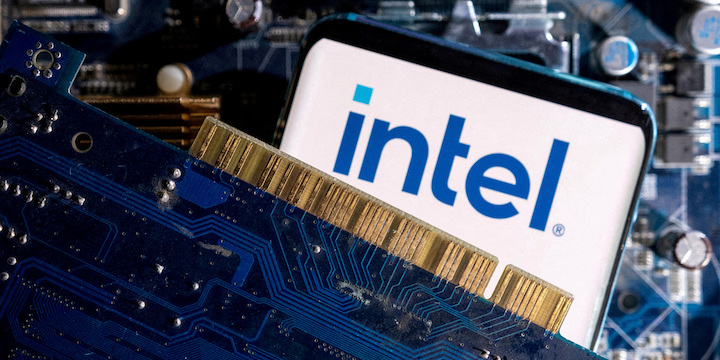
A smartphone with a displayed Intel logo is placed on a computer motherboard in this illustration taken March 6, 2023. REUTERS/Dado Ruvic/Illustration/File Photo
i24 News — Tech giant Intel has decided to abandon its $5.4 billion plan to acquire Israeli contract chipmaker Tower Semiconductor due to a lack of regulatory approval from China.
The deal, signed in February 2022, faced a requirement for Chinese regulatory clearance, which Intel failed to secure within the stipulated timeframe.
The failure, experts say, highlights the impact of U.S.-China tensions on corporate transactions, particularly in the tech sector.
Intel won’t pursue an extension of the contract and will instead pay Tower a $353 million breakup fee. It remains uncertain if regulators would have eventually approved the deal had the companies prolonged the contract for review.
The escalating disputes between the United States and China regarding trade, intellectual property, and Taiwan’s future have slowly impacted business deals, particularly within technology firms.
Intel CEO Pat Gelsinger had sought approval from Chinese regulators and even visited China recently for discussions. However, the company continues its investment in its foundry business, which manufactures chips for other entities, irrespective of the Tower acquisition.
Although Israel’s Tower Semiconductor saw its Nasdaq-listed shares trade at $33.78, significantly lower than the $53 per share deal price, investors had already abandoned hope in light of the situation.
This episode mirrors DuPont De Nemours’ experience when it canceled its $5.2 billion deal to purchase electronics materials maker Rogers due to delays in securing Chinese regulatory approval.
Intel’s foundry business has gained traction, reporting revenue of $232 million in the second quarter of the year, a significant rise from $57 million the previous year. This success stems from “advanced packaging,” a method allowing Intel to combine different chips to create more potent ones.
Intel’s appetite for acquisitions in Israel remains strong, with Gelsinger indicating further potential deals. The company has notably invested $25 billion in establishing a new factory in the country.