 Pod Save America Hosts Call on Democrats to Cut All Israel Military Aid, No Longer Accept AIPAC Funding
 Jews, Israelis Targeted in Austria Amid Surge in Antisemitic Incidents; Local Jewish Community Calls for Action
 ‘All of Our Strength’: Over 1,000 Pro-Israel Activists Gather in DC for Solidarity Conference
 ‘Devastated’: Wesley LePatner, Killed in Manhattan Mass Shooting, Was a Jewish Communal, Philanthropic Leader
 Sen. Angus King Vows to No Longer Vote for Israel Military Aid Until Gaza Conditions Improve
 Europe Won’t Pressure Israel to ‘Commit Suicide’ Amid Gaza Backlash, Palestinian State Push, Says Israeli FM
 Israel’s National Soccer Coach Attacked in Athens Before Soccer Fans Chant ‘F–K Israel, Free Palestine’ at Match
 New York Judge Sentences Neo-Nazi to 5 Years for Livestreaming Bomb Threats Against Jewish Hospitals
 US Pressures Lebanon to Issue Cabinet Decision to Disarm Hezbollah Before Talks Continue
 UK Plans to Recognize Palestinian State in September Unless Israel Meets Conditions, Starmer Says


Israel and the PA: Second Round of Meetings in Amman
Error: Contact form not found.
-avatar.jpg) by Maxine Dovere
by Maxine Dovere

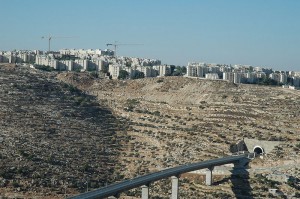
Tunnel to West Bank. Photo: Justin McIntosh
At a second meeting in as many weeks, on Monday, Israeli and Palestinian negotiators sat down together. Following more than a year of jockeying, this second session held just six days after the first, is remarkable simply for it’s existence.
All parties involved appear to recognize the delicate balances in play. Following the first session, Palestinian President Mahmoud Abbas called the talks an “important opportunity” in the attempt to restart full peace negotiations. “We must take this chance,” he had told reporters after meeting with King Abdullah of Jordan. The king is scheduled to meet President Barack Obama January 14 at the White House.
The United States is a member of the “Quartet, (with the European Union, the United Nations and Russia) the international coalition which has fostered efforts to bring Israelis and Palestinians back to the negotiating table. The group has asked Israel and the Palestinian Authority to present “comprehensive proposals” on territory and security by Jan. 26.
On the interim Thursday, prior to the second round of meetings, US State Department spokeswoman Victoria Nuland told reporters “we are encouraged that they are both coming to the table, they are talking directly.”
After Monday’s meeting, no comment was made by the Jordanian Foreign Ministry – the authorized source of public statements. Israeli government spokesman Mark Regev said a successful outcome of the talks required that “they must be allowed to be conducted with discretion.”
The current meetings have been called “exploratory sessions,” and are not regarded as “full-scale” negotiations.
Israeli construction in the West Bank and Jerusalem was cited by the PA as a cause of the breakdown of the last round of talks, in September of 2010. Israel has not renewed the building freeze, a consistent Palestinian Authority demand.
According to an anonymous Palestinian official, the PA says that unless there is a renewal of the construction freeze, and Israeli acceptance of the pre-1967 boundary lines as preconditions for full negotiations, the preliminary negotiations will end. Both Israel and the Quartet have called for talks without preconditions.
Neither Yitzhak Molho, the Israeli envoy, nor Saeb Erekat, the lead Palestinian negotiator, have made public statements. However, Avigdor Lieberman – Israel’s current Minister of Foreign Affairs – , speaking on Israel Radio on Monday said the Palestinians were “working to internationalize the conflict,” and attempting to “flee direct negotiations.”