 Pod Save America Hosts Call on Democrats to Cut All Israel Military Aid, No Longer Accept AIPAC Funding
 Jews, Israelis Targeted in Austria Amid Surge in Antisemitic Incidents; Local Jewish Community Calls for Action
 ‘All of Our Strength’: Over 1,000 Pro-Israel Activists Gather in DC for Solidarity Conference
 ‘Devastated’: Wesley LePatner, Killed in Manhattan Mass Shooting, Was a Jewish Communal, Philanthropic Leader
 Sen. Angus King Vows to No Longer Vote for Israel Military Aid Until Gaza Conditions Improve
 Europe Won’t Pressure Israel to ‘Commit Suicide’ Amid Gaza Backlash, Palestinian State Push, Says Israeli FM
 Israel’s National Soccer Coach Attacked in Athens Before Soccer Fans Chant ‘F–K Israel, Free Palestine’ at Match
 New York Judge Sentences Neo-Nazi to 5 Years for Livestreaming Bomb Threats Against Jewish Hospitals
 US Pressures Lebanon to Issue Cabinet Decision to Disarm Hezbollah Before Talks Continue
 UK Plans to Recognize Palestinian State in September Unless Israel Meets Conditions, Starmer Says


Israeli Team Nears Solution to Bluefin Tuna Crisis
Error: Contact form not found.
 by Ezriel Gelbfish

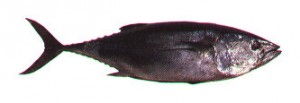
Bluefin Tuna. Photo: Wikimedia Commons.
An Israeli research team is on its way to finding a solution for saving the world’s dwindling populations of costly bluefin tuna.
Thunnus thynnus, commonly known as the bluefin tuna, weigh hundreds and sometimes thousands of pounds each, and, fetching prices of up to $1,000 for a single kilogram, they constitute one of the most valuable fish markets worldwide. The tuna is a highly prized delicacy popular for sushi and other Japanese dishes, and is currently over-fished due to strong demand from markets in Europe, America, and especially Japan, which consumes 80% of the bluefin market. Though not officially classified as endangered, the International Commission for the Conservation of Atlantic Tunas reported in 2009 that the tuna population has declined dramatically over the last 40 years, by 72% in the Eastern Atlantic, and by 82% in the Western Atlantic. The tuna is already extinct in the Black Sea.
Concerned by these statistics, the European Union gathered international research teams with participants from countries including Germany, Spain, Greece, and Israel to work towards ensuring the survival of the fish species, reported nocamels.com. The goal was to develop an effective process of aquaculture that would allow breeding of the tuna on fish farms, leaving the wild bluefins free to reinforce their numbers at sea. But domestic breeding of the tuna has proved challenging because of the tuna’s complex lifestyle, slow growth, and late maturity.
Following a decade of research, the Israeli team, under the leadership of Dr. Hannah Rosenfeld, who also heads Israel’s National Center for Mariculture, has advanced tuna-breeding success worldwide. The Israeli scientists captured specimens during the tuna’s annual migration to the Mediterranean Sea to spawn. In captivity, the adult tuna was bred, and the young have now advanced to adulthood.
The success is only partial, because the fish spawned in captivity have not been re-bred. But the team looks to come full circle with the breeding, which would solidify a viable solution to the tuna problem.”We hope to make progress now and advance to the next stage of stepped up research, where we will be able to close the life cycle of the domesticated fish” said Dr. Rosenfeld to Israeli newspaper Ma’ariv. “Once we achieve this goal, we will not be dependent any more on wild fish and we will be able to set in motion the recovery of the global population of this endangered species.”