 Pod Save America Hosts Call on Democrats to Cut All Israel Military Aid, No Longer Accept AIPAC Funding
 Jews, Israelis Targeted in Austria Amid Surge in Antisemitic Incidents; Local Jewish Community Calls for Action
 ‘All of Our Strength’: Over 1,000 Pro-Israel Activists Gather in DC for Solidarity Conference
 ‘Devastated’: Wesley LePatner, Killed in Manhattan Mass Shooting, Was a Jewish Communal, Philanthropic Leader
 Sen. Angus King Vows to No Longer Vote for Israel Military Aid Until Gaza Conditions Improve
 Europe Won’t Pressure Israel to ‘Commit Suicide’ Amid Gaza Backlash, Palestinian State Push, Says Israeli FM
 Israel’s National Soccer Coach Attacked in Athens Before Soccer Fans Chant ‘F–K Israel, Free Palestine’ at Match
 New York Judge Sentences Neo-Nazi to 5 Years for Livestreaming Bomb Threats Against Jewish Hospitals
 US Pressures Lebanon to Issue Cabinet Decision to Disarm Hezbollah Before Talks Continue
 UK Plans to Recognize Palestinian State in September Unless Israel Meets Conditions, Starmer Says


Netanyahu Slams Iran Nuclear Deal as ‘Historic Mistake’
Error: Contact form not found.
 by Algemeiner Staff

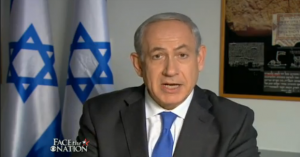
Israeli Prime Minister Benjamin Netanyahu speaking on CBS's 'Face the Nation,' on November 10, 2013. Photo: Screenshot / CBS.
Hours after a deal was announced between Iran and world powers over the country’s nuclear program, Israel’s Prime Minister Benjamin Netanyahu sharply criticized the agreement.
“What was achieved last night in Geneva is not an historic agreement; it is an historic mistake,” he said, speaking at the start of his government’s weekly cabinet meeting. “Today the world has become a much more dangerous place because the most dangerous regime in the world has taken a significant step toward attaining the most dangerous weapon in the world.”
According to an official statement, the deal calls for Iran to halt key parts of its nuclear program in exchange for sanctions relief said to be valued at approximately $7 billion dollars. The interim agreement allows Iran to retain its nuclear production line, a provision that Israel has vocally campaigned against.
Explaining his country’s position, Netanyahu said that “For the first time, the world’s leading powers have agreed to uranium enrichment in Iran while ignoring the UN Security Council decisions that they themselves led.”
Advocating for Israel’s long held position, that only increased sanctions will push Iran to dismantle its nuclear infrastructure, Netanyahu lamented the easing of sanctions against the Islamic Republic that had brought the regime to the negotiating table in the first place. “Sanctions that required many years to put in place contain the best chance for a peaceful solution. These sanctions have been given up in exchange for cosmetic Iranian concessions that can be cancelled in weeks,” he said.
“This agreement and what it means endanger many countries including, of course, Israel. Israel is not bound by this agreement,” Netanyahu stressed.
Asserting Israel’s right to self-defense, Netanyahu said “The Iranian regime is committed to the destruction of Israel and Israel has the right and the obligation to defend itself, by itself, against any threat.”
“As Prime Minister of Israel, I would like to make it clear,” he concluded, “Israel will not allow Iran to develop a military nuclear capability.”
Early Sunday, several senior Israeli ministers also criticized the deal in interviews with Israeli media.