 Pod Save America Hosts Call on Democrats to Cut All Israel Military Aid, No Longer Accept AIPAC Funding
 Jews, Israelis Targeted in Austria Amid Surge in Antisemitic Incidents; Local Jewish Community Calls for Action
 ‘All of Our Strength’: Over 1,000 Pro-Israel Activists Gather in DC for Solidarity Conference
 ‘Devastated’: Wesley LePatner, Killed in Manhattan Mass Shooting, Was a Jewish Communal, Philanthropic Leader
 Sen. Angus King Vows to No Longer Vote for Israel Military Aid Until Gaza Conditions Improve
 Europe Won’t Pressure Israel to ‘Commit Suicide’ Amid Gaza Backlash, Palestinian State Push, Says Israeli FM
 Israel’s National Soccer Coach Attacked in Athens Before Soccer Fans Chant ‘F–K Israel, Free Palestine’ at Match
 New York Judge Sentences Neo-Nazi to 5 Years for Livestreaming Bomb Threats Against Jewish Hospitals
 US Pressures Lebanon to Issue Cabinet Decision to Disarm Hezbollah Before Talks Continue
 UK Plans to Recognize Palestinian State in September Unless Israel Meets Conditions, Starmer Says


U.S.-Saudi Rift Grows Wider
Error: Contact form not found.
 by News Editor

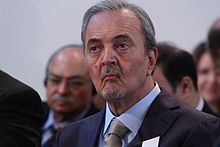
Saud bin Faisal bin Abdulaziz Al Saud, known as Saud Al Faisal, has been Saudi Arabia's foreign minister since 1975. Photo: WikiCommons.
New York Times – There was a time when Saudi and American interests in the Middle East seemed so aligned that the cigar-smoking former Saudi ambassador, Prince Bandar bin Sultan, was viewed as one of the most influential diplomats in Washington.
Those days are over. The Saudi king and his envoys — like the Israelis — have spent weeks lobbying fruitlessly against the interim nuclear accord with Iran that was reached in Geneva on Sunday. In the end, there was little they could do: The Obama administration saw the nuclear talks in a fundamentally different light from the Saudis, who fear that any letup in the sanctions will come at the cost of a wider and more dangerous Iranian role in the Middle East.