 Pod Save America Hosts Call on Democrats to Cut All Israel Military Aid, No Longer Accept AIPAC Funding
 Jews, Israelis Targeted in Austria Amid Surge in Antisemitic Incidents; Local Jewish Community Calls for Action
 ‘All of Our Strength’: Over 1,000 Pro-Israel Activists Gather in DC for Solidarity Conference
 ‘Devastated’: Wesley LePatner, Killed in Manhattan Mass Shooting, Was a Jewish Communal, Philanthropic Leader
 Sen. Angus King Vows to No Longer Vote for Israel Military Aid Until Gaza Conditions Improve
 Europe Won’t Pressure Israel to ‘Commit Suicide’ Amid Gaza Backlash, Palestinian State Push, Says Israeli FM
 Israel’s National Soccer Coach Attacked in Athens Before Soccer Fans Chant ‘F–K Israel, Free Palestine’ at Match
 New York Judge Sentences Neo-Nazi to 5 Years for Livestreaming Bomb Threats Against Jewish Hospitals
 US Pressures Lebanon to Issue Cabinet Decision to Disarm Hezbollah Before Talks Continue
 UK Plans to Recognize Palestinian State in September Unless Israel Meets Conditions, Starmer Says


Gaza Electricity Crisis Highlights BBC’s Anti-Israel Bias
Error: Contact form not found.
 by Hadar Sela

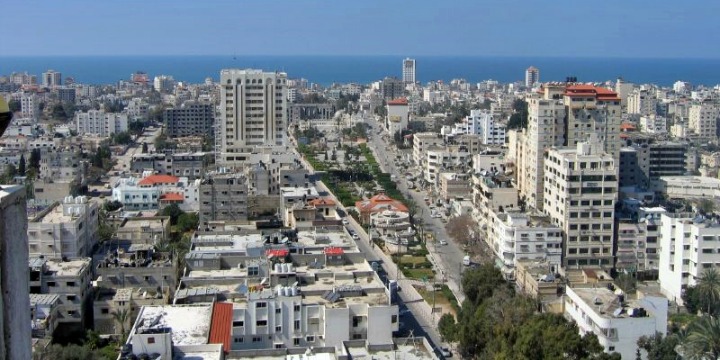
A view of Gaza City. Photo: Wikimedia Commons.
When some residents of the Gaza Strip took to the streets last winter to protest their inadequate electricity supply, the BBC website produced two written reports on that story. In addition, the BBC World Service program “Newshour” aired a special report by Tim Franks from Gaza, which included a “softball” interview with a Hamas representative.
None of those reports, however, provided BBC audiences with a clear and factual explanation of the reasons behind the Gaza Strip’s electricity crisis. Since that time, the BBC has produced more reports that (with few exceptions) have been similarly unhelpful or misleading (see for example here, here, here, here and here). Some of these stories even point audiences towards the inaccurate impression that the crisis is connected to Israeli counter-terrorism measures along the border with Gaza.
As we noted here, Hamas could have paid for the Gaza Strip’s electricity supply earlier this year — after the Palestinian Authority exacerbated the crisis. But Hamas chose not to do so, and instead chose to focus its priorities on expanding its military capabilities.
Now, however, a report at the Times of Israel suggests that Hamas is eager to avoid a repetition of last winter’s public unrest.
Hamas has recently bought large volumes of diesel fuel from Egypt in an effort to increase the output of the Gaza Strip’s only power station, after months of refusing to shell out money to provide electricity to the Palestinian enclave’s residents. […]
The purchase of some 30 million liters of diesel from Egypt, at a cost of NIS 90 million ($25 million), marks a change in attitude on the part of Gaza’s rulers, likely indicating a bid to stave off a repeat of street protests that roiled the enclave last winter. […]
Hamas, a terror group that is the de facto ruler of the Strip, has refused to pay for Israeli electricity, claiming the PA is responsible for funding it, while spending millions of dollars of military infrastructure. Earlier this year the PA reduced the amount of electricity it was willing to pay for, and as a result electricity supplies in Gaza were reduced from six to four hours followed by a 12-hour blackout.
Given that this apparent development undermines previous BBC messaging suggesting that the Gaza power crisis is related to Israeli border controls (which have often been presented as “collective punishment“), it remains to be seen whether or not BBC audiences will be informed that Hamas is able to import fuel at will.