 Pod Save America Hosts Call on Democrats to Cut All Israel Military Aid, No Longer Accept AIPAC Funding
 Jews, Israelis Targeted in Austria Amid Surge in Antisemitic Incidents; Local Jewish Community Calls for Action
 ‘All of Our Strength’: Over 1,000 Pro-Israel Activists Gather in DC for Solidarity Conference
 ‘Devastated’: Wesley LePatner, Killed in Manhattan Mass Shooting, Was a Jewish Communal, Philanthropic Leader
 Sen. Angus King Vows to No Longer Vote for Israel Military Aid Until Gaza Conditions Improve
 Europe Won’t Pressure Israel to ‘Commit Suicide’ Amid Gaza Backlash, Palestinian State Push, Says Israeli FM
 Israel’s National Soccer Coach Attacked in Athens Before Soccer Fans Chant ‘F–K Israel, Free Palestine’ at Match
 New York Judge Sentences Neo-Nazi to 5 Years for Livestreaming Bomb Threats Against Jewish Hospitals
 US Pressures Lebanon to Issue Cabinet Decision to Disarm Hezbollah Before Talks Continue
 UK Plans to Recognize Palestinian State in September Unless Israel Meets Conditions, Starmer Says


Israeli Marine Biologist Sees Seaweed as Future of Sustainable Farming
Error: Contact form not found.
 by Omer Kabir / CTech

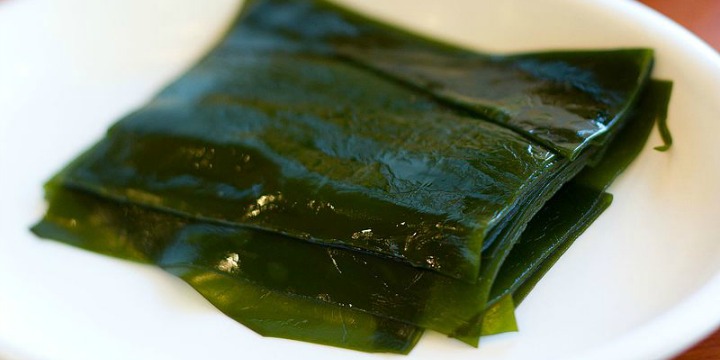
A plate of Dasima, a popular Korean food made of seaweed. Photo: Andres Rodriguez via Wikimedia.
CTech – Marine biologist Yossi Tal, the chief technology officer of algae farming company Seakura Ltd., sees seaweed as the future of sustainable farming — a way to produce more nutritious foodstuffs in a cost-efficient, environmentally friendly way.
Now widely touted as a superfood, seaweed contains numerous vitamins and minerals, including iodine, the deficiency of which is still considered a public health concern even in places like the US. It is high in antioxidants, and considered a good source of dietary fiber and protein, though it does tend to be high in sodium.
Seaweed farming does not require cutting down forests, Tal said in a recent interview with Calcalist. Seaweed can be farmed in non-arable lands, rocky terrains, and on sandy coastal soil, where competition for resources is low, he explained.
Seakura farms seaweed on land, in pools with access to seawater.
According to the US Environmental Protection Agency, agriculture, forestry, and other land uses account for 24 percent of global greenhouse gas emission, with most of the emission occurring as a result of crop and livestock cultivation.
Seakura farms seaweed in filtered seawater, a virtuously endless resource. More seawater farming means less fresh water farming of crops like rice, corn, and wheat, according to Tal.
Seakura’s farming operation is located along the Israeli coast, between Tel Aviv and the northern port city of Haifa. The farm collects seawater, filters it — seaweed tends to absorb heavy metals — and pumps it into farming pools, each with algae in a different stage in the growth cycle. Clean water is later pumped back into the sea.
By farming on land in monitored pools, Seakura avoids polluting the sea, and the company also gets the added benefit of monitoring product quality.
The seaweed produced by Seakura is 30 percent protein, Tal said.
The company is currently growing 100 tons of seaweed a year. It is sold both fresh and frozen, mainly in Israel and Europe. The company is now expanding marketing to the US and Asia.