 Pod Save America Hosts Call on Democrats to Cut All Israel Military Aid, No Longer Accept AIPAC Funding
 Jews, Israelis Targeted in Austria Amid Surge in Antisemitic Incidents; Local Jewish Community Calls for Action
 ‘All of Our Strength’: Over 1,000 Pro-Israel Activists Gather in DC for Solidarity Conference
 ‘Devastated’: Wesley LePatner, Killed in Manhattan Mass Shooting, Was a Jewish Communal, Philanthropic Leader
 Sen. Angus King Vows to No Longer Vote for Israel Military Aid Until Gaza Conditions Improve
 Europe Won’t Pressure Israel to ‘Commit Suicide’ Amid Gaza Backlash, Palestinian State Push, Says Israeli FM
 Israel’s National Soccer Coach Attacked in Athens Before Soccer Fans Chant ‘F–K Israel, Free Palestine’ at Match
 New York Judge Sentences Neo-Nazi to 5 Years for Livestreaming Bomb Threats Against Jewish Hospitals
 US Pressures Lebanon to Issue Cabinet Decision to Disarm Hezbollah Before Talks Continue
 UK Plans to Recognize Palestinian State in September Unless Israel Meets Conditions, Starmer Says


Facebook’s Libra Will Disrupt Central Banks, Forcing Them to Adjust Their Policies, Says Israeli Banking Regulator
Error: Contact form not found.
 by Hager Ravet / CTech

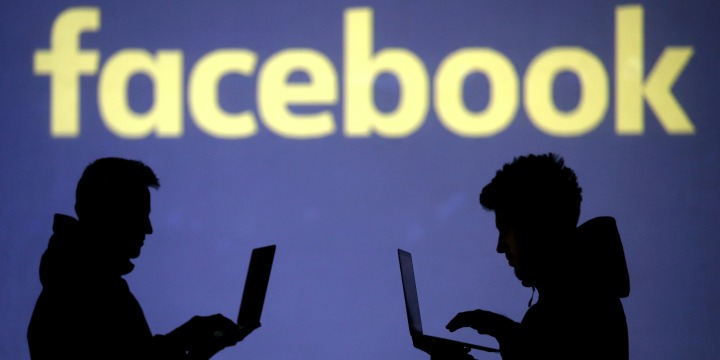
Silhouettes of laptop users are seen next to a screen projection of Facebook logo in this picture illustration taken March 28, 2018. Photo: REUTERS/Dado Ruvic/Illustration/File Photo.
CTech – Facebook’s new cryptocurrency, Libra, is disrupting central banks and will force them to recalibrate their policies, Israeli banking regulator Hedva Bar said Monday. Bar spoke at a fintech conference held in Tel Aviv by Calcalist, Bank Leumi’s tech banking arm LeumiTech, and accounting firm KPMG.
Libra is a game changer, raising issues of money laundering and the difficulties in regulating cryptocurrency, Bar said. “From our perspective as bank regulators, we want to encourage innovation while also ensuring proper risk management,” she added.
Bar believes the payment sector is the banking branch that is going through the most changes and that Israel is currently lagging behind compared to other countries. As Israel’s main fault in the sector, Bar named the high commissions charged for standard activities such as withdrawing cash from outside the country or converting currency, actions that can be replaced by alternative digital payment methods.
The Bank of Israel is working on a plan to make all payments in the country digital within a few years, Bar said. As soon as the right infrastructure for instant payments exists and is accessible to all players, the bank will loosen restrictions, she added.
“We are willing to take the chance that some risks will become a reality, but to avoid excess risk, we ask banks to contain their experiments within the organization,” Bar said. A small startup cannot manage the types of risks involved effectively, but their technologies can still be viable, she said.
“You cannot regulate fintech startups the way you would a bank because that would kill innovation, but whoever deals with data must take some responsibility,” Bar said. According to Bar, there are two options — either fintech companies can collaborate with banks, who will take upon themselves the responsibilities of risk management, or they could go it alone, hoping to become as big as Facebook and be able to manage risks on their own.