 Pod Save America Hosts Call on Democrats to Cut All Israel Military Aid, No Longer Accept AIPAC Funding
 Jews, Israelis Targeted in Austria Amid Surge in Antisemitic Incidents; Local Jewish Community Calls for Action
 ‘All of Our Strength’: Over 1,000 Pro-Israel Activists Gather in DC for Solidarity Conference
 ‘Devastated’: Wesley LePatner, Killed in Manhattan Mass Shooting, Was a Jewish Communal, Philanthropic Leader
 Sen. Angus King Vows to No Longer Vote for Israel Military Aid Until Gaza Conditions Improve
 Europe Won’t Pressure Israel to ‘Commit Suicide’ Amid Gaza Backlash, Palestinian State Push, Says Israeli FM
 Israel’s National Soccer Coach Attacked in Athens Before Soccer Fans Chant ‘F–K Israel, Free Palestine’ at Match
 New York Judge Sentences Neo-Nazi to 5 Years for Livestreaming Bomb Threats Against Jewish Hospitals
 US Pressures Lebanon to Issue Cabinet Decision to Disarm Hezbollah Before Talks Continue
 UK Plans to Recognize Palestinian State in September Unless Israel Meets Conditions, Starmer Says


40th Anniversary: Jews and Washington, DC’s African Art Museum
Error: Contact form not found.
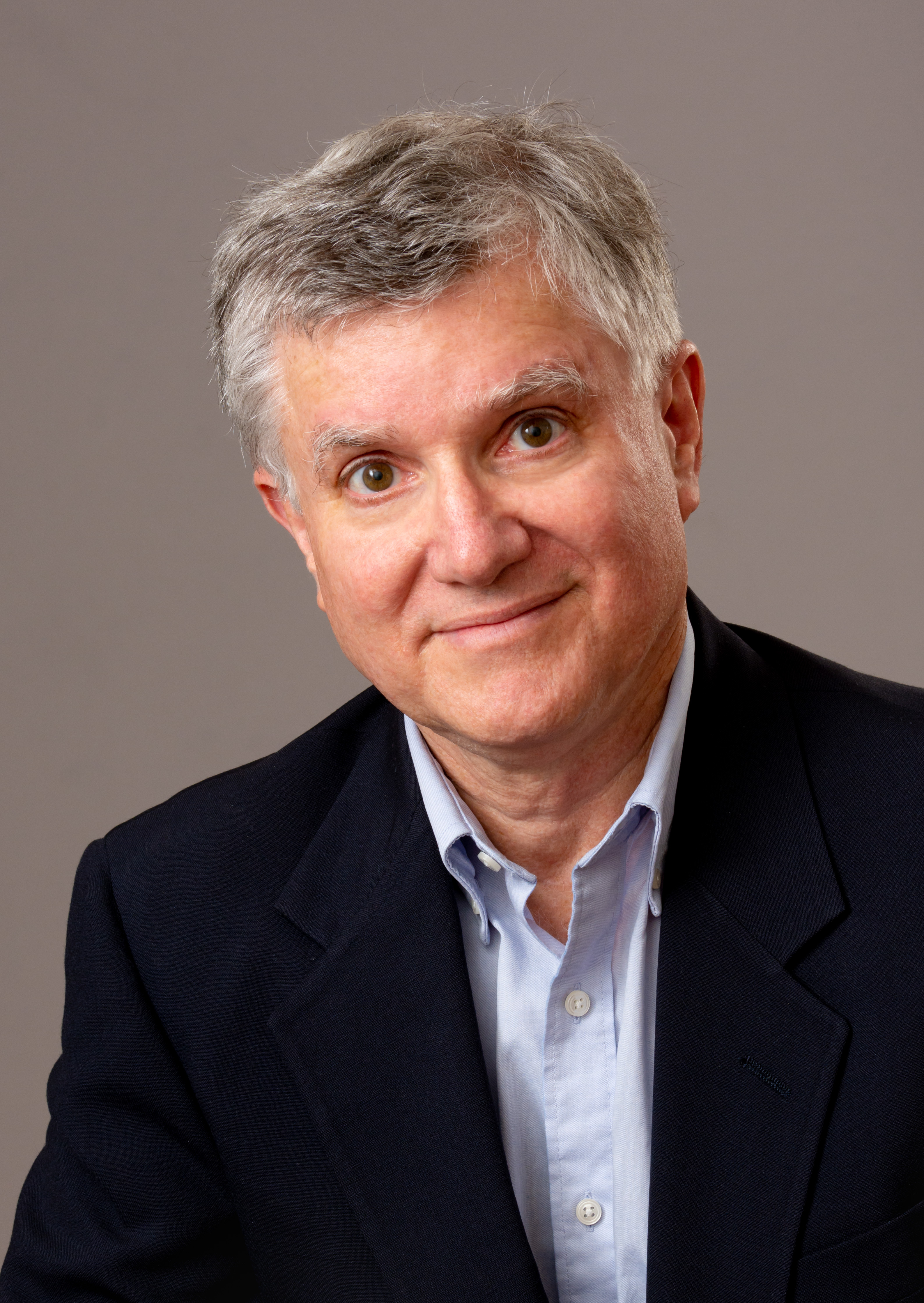 by Mark Cohen

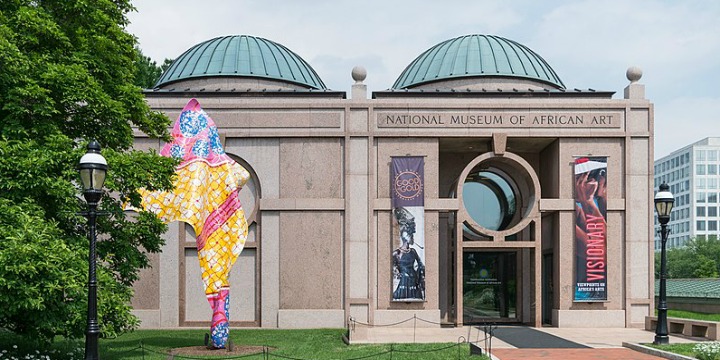
Washington DC’s African Art Museum. Photo: Wiki Commons.
This summer is the 40th anniversary of an important but overlooked Jewish-American achievement: on August 13, 1979, Washington, DC’s Museum of African Art became part of the behemoth Smithsonian Institution. The Jewish angle? Winning the Smithsonian’s prestige and financial support — made concrete in 1981, when the museum was rechristened the National Museum of African Art and gained a new home on the capital’s museum-crowded mall — was the achievement of the museum’s founder and first director, Warren M. Robbins, who was born in 1923 in Massachusetts. (Robbins was the last name his Russian Jewish parents substituted for Rubinstein.)
The story of Robbins and the museum illuminates the unexplored history of the Jewish relationship with African art.
Robbins’ museum required a lot of help as it grew from its origins in 1963 as virtually a one-man operation until its adoption by the Smithsonian. Jews dedicated to African art were among its key supporters. Nobel Prize-winning novelist Saul Bellow joined the board and donated African art from his collection. Sculptor Chaim Gross, who owned more than 2,000 pieces of African art, on Friday evenings invited Robbins and other collectors to his home to “argue with one another about the special authenticating features, the history, the fetishes, and the facts” of African art, remembered Gross’ daughter, Mimi. Guests included collector and dealer Irwin Hersey (born Herskowitz); Polish-Jewish dealer J.J. Klejman, who survived the Holocaust and rebuilt his Warsaw gallery business in New York; composer and songwriter Harold Rome, well-known for his work on the Jewish garment center musical I Can Get It For You Wholesale; and real estate developer William Brill, described by Sotheby’s as “one of the greatest pioneers in promoting African art in the United States.” Brill also donated African art to Jerusalem’s Israel Museum.
But the most important guest was Eliot Elisofon, born in New York in 1911 to Russian Jewish immigrants. Robbins said it was Elisofon’s 1960 book The Sculpture of Africa that “marked the beginning of my own growth in the field.” Elisofon became a founding trustee of the museum, and before his death in 1973 gave it his 600 African sculptures and also his 50,000 photographs and 120,000 feet of film of African life created during his career as a Life photographer.
African art began to fascinate Jews in the early 20th century. From 1900-1906, the Hungarian Jew Emil Torday worked as a trader in the Belgian Congo, but by 1905, he became interested in the local culture there. In 1907, he led a cultural expedition to the region supported by the British Museum. In 1910, Torday published, in French, his first book about African culture.
Another Hungarian Jew, art dealer Joseph Brummer, began selling African art from his Paris shop in 1908, and in 1913, he became the first person to present African sculptures as art in a French exhibition, according to art historian Yaëlle Biro. In 1914, African art was seen in America at Alfred Stieglitz’s 291 Gallery. An assimilated Jew of German stock, Stieglitz had much in common with Carl Einstein, who in 1915 published Negerplastik or “Black Sculpture,” perhaps the first book devoted solely to African art.
In the century since, Jews have continued to be prominent African art collectors and benefactors. A tiny sample includes Joel B. Grae and Charles B. Benenson (243 and 586 works, respectively, to Yale); the Tishman collection (500 pieces to the Museum of African Art); Murray Frum ($12 million collection to the Art Gallery of Ontario); Lawrence Gussman (130 pieces to Purchase College); Victor Kiam (100 pieces to the New Orleans Museum of Art); and Lester Wunderman (100 sculptures to New York’s Metropolitan Museum).
Why have Jews been such prominent collectors of African art? I believe it allowed them to express a (sublimated) protest against the cultural losses incurred by Jewish assimilation. Elisofon “did not want cultures to change, to Westernize, to be diluted,” according to a PhD dissertation about him. For Robbins, African art was the cure for the “historical circumstances [that] have deprived … American citizens of African origin … of self-esteem,” he wrote. Historical circumstances did the same to his Jewish family. Not only did the Rubinstein name have to go, but his mother Esther became Pauline.
Perhaps studying Jewish collectors of African art can shed more light on how Jews tried to ease the pain caused by their “successful” assimilation.
Mark Cohen is the author of Overweight Sensation: The Life and Comedy of Allan Sherman and Not Bad for Delancey Street: The Rise of Billy Rose. He is now researching a biography of art collectors Robert and Ethel Scull.