 Pod Save America Hosts Call on Democrats to Cut All Israel Military Aid, No Longer Accept AIPAC Funding
 Jews, Israelis Targeted in Austria Amid Surge in Antisemitic Incidents; Local Jewish Community Calls for Action
 ‘All of Our Strength’: Over 1,000 Pro-Israel Activists Gather in DC for Solidarity Conference
 ‘Devastated’: Wesley LePatner, Killed in Manhattan Mass Shooting, Was a Jewish Communal, Philanthropic Leader
 Sen. Angus King Vows to No Longer Vote for Israel Military Aid Until Gaza Conditions Improve
 Europe Won’t Pressure Israel to ‘Commit Suicide’ Amid Gaza Backlash, Palestinian State Push, Says Israeli FM
 Israel’s National Soccer Coach Attacked in Athens Before Soccer Fans Chant ‘F–K Israel, Free Palestine’ at Match
 New York Judge Sentences Neo-Nazi to 5 Years for Livestreaming Bomb Threats Against Jewish Hospitals
 US Pressures Lebanon to Issue Cabinet Decision to Disarm Hezbollah Before Talks Continue
 UK Plans to Recognize Palestinian State in September Unless Israel Meets Conditions, Starmer Says


No Israel Rate Move This Week, but Cuts Possible Later in 2019: Reuters Poll
Error: Contact form not found.
 by Reuters and Algemeiner Staff

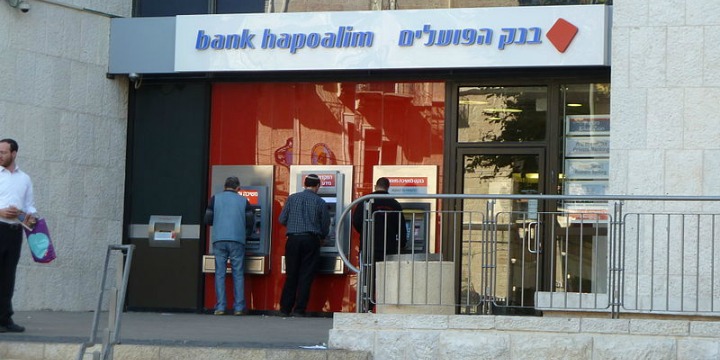
A bank in Jerusalem. Photo: Wikimedia Commons.
Israel‘s central bank is expected to hold short-term interest rates steady this week, but analysts belief a rate cut is now possible by the end of the year — a reversal from last month when rate hikes were deemed likely in 2019.
All 12 economists polled by Reuters said policymakers would leave the Bank of Israel‘s benchmark rate at 0.25% when it announces its decision at 4 p.m. (1300 GMT) on Wednesday.
After making a surprise increase from 0.1% last November, the Bank of Israel has left the key rate unchanged at its five subsequent policy meetings, the last being on July 8.
Economists said rates will remain unchanged amid a drop in inflation, lower rates around the world, a strong shekel and solid economic growth of around 3%.
“The Bank of Israel is expected to change its message but not interest rates,” said Alex Zabezhinsky, chief economist at brokerage Meitav Dash, who believes a rate cut is possible by year end.
He noted that instead of the usual statement that rate hikes will be “gradual and cautious,” the bank will likely change that to a message that there will be no rate increases until inflation is entrenched within the government’s 1-3% target.
Even though investors have been pricing out rate hikes in Israel, the Bank of Israel doubled down on its belief there would be an increase this year. At the July 8 policy meeting, Bank of Israel Governor Amir Yaron held out the prospect of a rate hike in the upcoming meetings while the bank’s staff maintained a projection of one quarter-point increase in the third quarter and two more in 2020.
After data showed the annual inflation rate slipped to 0.8% in June from 1.5% in May and further gains in the shekel, Yaron was forced to backtrack. In a special statement on July 31, Yaron said there will be no hikes for an “extended period” and the central bank would use other tools if it needed to contain the shekel, which is up 6% versus the dollar this year.
Subsequently, the Federal Reserve lowered US rates and Israel‘s inflation rate slipped to 0.5% in July.
Based on bond yields, the market has begun pricing in rate reductions as early as late 2019 and early 2020.
Amir Kahanovich, chief economist for the Excellence Investment House, foresees a rate cut in October and a move to negative interest rates in 2020.
“As I see the data, you can see we are late in the cycle — the job market, industrial — and we see it globally,” he said, citing a trend of less investment and more savings. “Interest rates are starting to be an obstacle for growth … The market is guiding you that interest rates should be lower.”