 Pod Save America Hosts Call on Democrats to Cut All Israel Military Aid, No Longer Accept AIPAC Funding
 Jews, Israelis Targeted in Austria Amid Surge in Antisemitic Incidents; Local Jewish Community Calls for Action
 ‘All of Our Strength’: Over 1,000 Pro-Israel Activists Gather in DC for Solidarity Conference
 ‘Devastated’: Wesley LePatner, Killed in Manhattan Mass Shooting, Was a Jewish Communal, Philanthropic Leader
 Sen. Angus King Vows to No Longer Vote for Israel Military Aid Until Gaza Conditions Improve
 Europe Won’t Pressure Israel to ‘Commit Suicide’ Amid Gaza Backlash, Palestinian State Push, Says Israeli FM
 Israel’s National Soccer Coach Attacked in Athens Before Soccer Fans Chant ‘F–K Israel, Free Palestine’ at Match
 New York Judge Sentences Neo-Nazi to 5 Years for Livestreaming Bomb Threats Against Jewish Hospitals
 US Pressures Lebanon to Issue Cabinet Decision to Disarm Hezbollah Before Talks Continue
 UK Plans to Recognize Palestinian State in September Unless Israel Meets Conditions, Starmer Says


Israeli Officials Warn of Growing Budget Deficit Ahead of Election
Error: Contact form not found.
 by Reuters and Algemeiner Staff

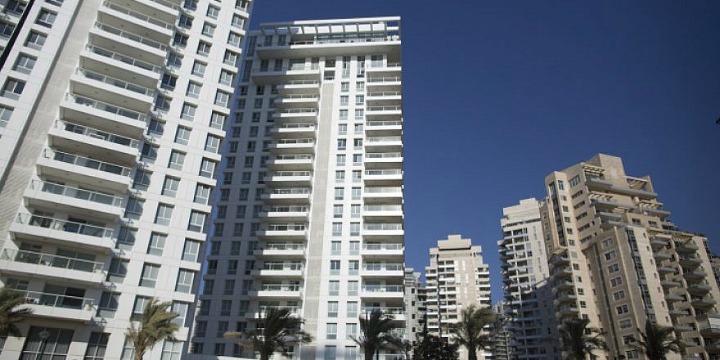
View of new buildings being constructed in the coastal city of Netanya, Israel, Sept. 7, 2016. Photo: Lior Mizrahi / Flash90.
Israel’s budget deficit, which has swelled to a worrying level in 2019, is on course to expand further as the country heads into its second election this year, two top economic officials said on Monday.
After keeping below 3 percent of gross domestic product for five straight years, the government’s budget deficit is expected to widen to 3.6 percent this year, said Shaul Meridor, head of the Finance Ministry’s budget division.
“It’s not a deficit we wanted to have,” he told an economic conference in Tel Aviv.
He warned of bigger problems for 2020 when the deficit could reach 3.8 percent. And that figure could rise further after a Sept. 17 general election, he said. The deficit was 3.8 percent of GDP in July over the prior 12 months.
Forming a new government is a notoriously costly process with coalition demands certain to strain the budget.
Still, he offered words of reassurance.
“We have a clear position to rein it back in,” Meridor said. “We don’t need to panic. We’ve done it many times.”
The government lost its ability to take any significant steps to control the deficit — like enact major cost cuts or tax hikes — when Prime Minister Benjamin Netanyahu failed to put together a coalition after an April election and parliament in turn voted to dissolve itself.
Netanyahu has since been heading a caretaker government that has more limited powers.
Israel’s economy is forecast to grow 3.1 percent in 2019 and 3.5 percent in 2020. An unchecked deficit would weigh on Israel’s debt-to-GDP ratio, which it had successfully lowered to 61 percent in 2018 from 74.6 percent in 2009.
Bank of Israel Governor Amir Yaron, at the same conference, said that if action is not taken, the budget deficit would grow through 2021 and beyond.
Yaron called for “a quick return to a deficit that will at least stabilize the debt-to-GDP ratio, and keeping that level for the coming years, along with the gradual implementation of growth-supporting moves.”
“The current deficit level is, in our estimation, too high to allow it to grow further due to the short-term macroeconomic risks,” he added.
On the campaign trail, Netanyahu has repeatedly said he hopes to reduce the deficit by cutting spending rather than raising taxes, although the central bank and analysts believe tax hikes will be necessary.