 Pod Save America Hosts Call on Democrats to Cut All Israel Military Aid, No Longer Accept AIPAC Funding
 Jews, Israelis Targeted in Austria Amid Surge in Antisemitic Incidents; Local Jewish Community Calls for Action
 ‘All of Our Strength’: Over 1,000 Pro-Israel Activists Gather in DC for Solidarity Conference
 ‘Devastated’: Wesley LePatner, Killed in Manhattan Mass Shooting, Was a Jewish Communal, Philanthropic Leader
 Sen. Angus King Vows to No Longer Vote for Israel Military Aid Until Gaza Conditions Improve
 Europe Won’t Pressure Israel to ‘Commit Suicide’ Amid Gaza Backlash, Palestinian State Push, Says Israeli FM
 Israel’s National Soccer Coach Attacked in Athens Before Soccer Fans Chant ‘F–K Israel, Free Palestine’ at Match
 New York Judge Sentences Neo-Nazi to 5 Years for Livestreaming Bomb Threats Against Jewish Hospitals
 US Pressures Lebanon to Issue Cabinet Decision to Disarm Hezbollah Before Talks Continue
 UK Plans to Recognize Palestinian State in September Unless Israel Meets Conditions, Starmer Says


Ideologues, From Both Right and Left, Are Poisoning America and Abetting Antisemitism
Error: Contact form not found.
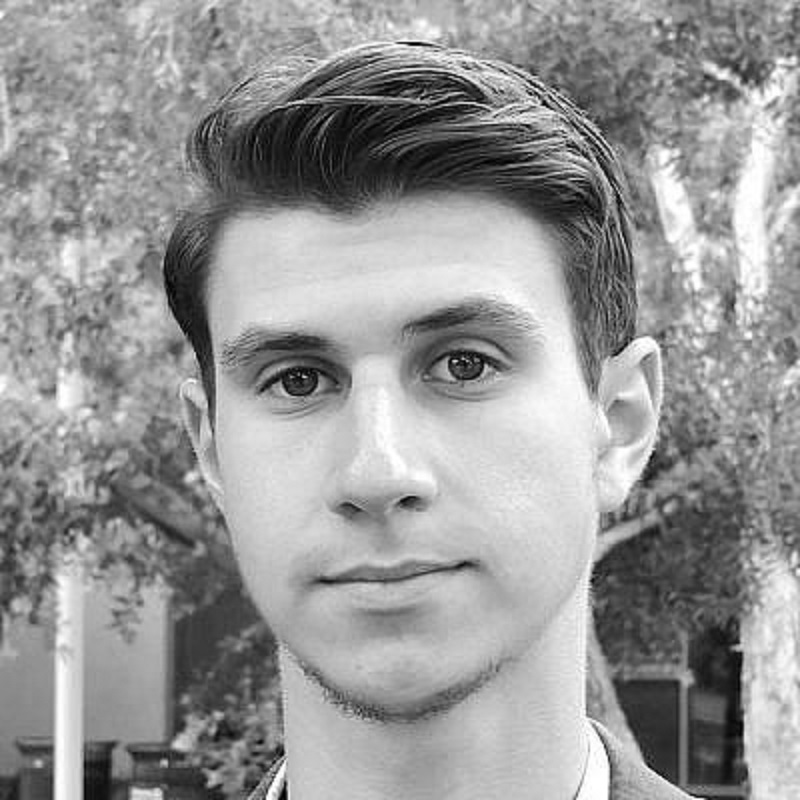 by Justin Feldman

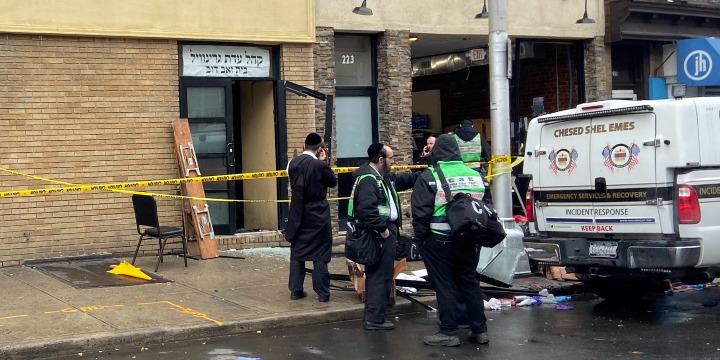
A picture of the scene the day after an hours-long gun battle around a kosher market in Jersey City, New Jersey, Dec. 11, 2019. Photo: Reuters / Lloyd Mitchell.
One of the greatest challenges facing Jews today is dealing with the fact that even lethal antisemitism is not being addressed properly by our own people, or our hyper-polarized political culture. Our country seems more divided, on the surface, than in any recent decade.
Polarization stifles honest conversations that we could be having about lethal antisemitism. That’s why the wounds of Jew-hatred remain fresh and untended on our bodies and minds. That’s why antisemitic speech, unconfronted, remains toxic and deadly for all of us. The inability to have open, frank, and meaningful conversations on the normalization of antisemitism leading up to the attacks in Jersey City, Monsey, Poway and the Tree of Life synagogue, makes uniting as Americans, as Jews, and as non-Jews, so challenging — and makes the cyclical resurgence of hate seem almost intractable.
The majority of 2020 presidential candidates condemned the antisemitic shooting in Jersey City on Twitter within hours of it happening. But not a single candidate (and also not President Trump) explicitly denounced the ties of bigoted rhetoric that animated the attack, emerging from the primary assailant’s affiliations with the “Black Hebrew Israelites” (BHI) — a radical, culturally-appropriative organization (not connected to black Jews), which has been known to regularly target visibly Ashkenazi or Hasidic Jewish people as “impostors of ‘the synagogue of Satan,'” as well as LGBTQ+ people and other communities.
I predicted that no candidate in the sixth Democratic debate at Loyola Marymount University in Los Angeles would mention who the BHI are; that antisemitism is not a partisan phenomenon, but a problem that infects both political aisles and all social groups; or would mention the New Jersey shooting at all. I had hoped to be proven wrong, by even one candidate. But sadly, I was right.
The buckpass of identifying hate under one’s broad ideological wing has been repeated by a number of rising partisan buffs. From Senator Bernie Sanders’ embrace of campaign surrogate Linda Sarsour, and campaign trail stops with Rep. Ilhan Omar (D-MN), we’ve witnessed the raw enablement and normalization of ongoing antisemitic rhetoric — i.e. dual-loyalty canards and demonizations of Israel as a “Jewish collective” — jumbled up with progressive politics
On the other end, we have the president and members of his cabinet, exercising great power to help the Jewish state and the Jewish people, for a similar partisan agenda, while espousing analogous conspiracy theories against “globalists” — a common antisemitic trope. Trump and his supporters have also gotten in bed with prominent antisemites, and demonized the Democratic Party as anti-Israel, turning Israel and Jews unfairly into a partisan issue, and trying to turn anyone who disagrees with him into an antisemitic enemy.
A failure to condemn these actions on both sides will only further entice politicians to use antisemitism as a means of hypocritical and partisan moral décor, without real substance or consistency when the hate is found within.
Not only does this diminish mainstream American abilities to distinguish valid political platforms from blanket blood libels, but it diminishes the very basis of our Constitutional, legal and democratic norms as well. As long as we cannot use our voices and our votes to mobilize an urgent separation of bigotry from policy, instead of simply overlooking it, we will continue to see Jewish societal alienation and the resurgence of lethal antisemitism in America. One cannot deny the antisemitic rhetorical patterns in politics that have helped mobilize anti-Jewish terrorists everywhere. We must demand more for and from ourselves.
As a young, Zionist campus organizer — and the only Jew sitting on UCLA’s official Equity, Diversity, and Inclusion (EDI) Student Advisory Board — I find my voice a necessary but insufficient means of pushing difficult conversations forward.
From combating the aggressive classic antisemitic and anti-Israel campaigns that alienate my community, to navigating our own belonging and acceptance in non-Jewish student organizations, being transparent about what threatens our basic safety on campus is often inverted into a warrant for further invalidation and suppression. Relaying this difficult experience to fellow non-Jewish student board members and vice chancellors is even harder — but it is critical for necessary change to happen.
Living in a vibrant, humane and unifying country in the United States requires us to partake in maintaining its health with vested interest, integrity and sincerity. It requires us to eliminate the comfort of silence and replace it with the audacity of conversation.
Justin Feldman is a senior political science and Middle Eastern studies major, and the former president of Students Supporting Israel (SSI) at UCLA. Twitter: @eishsadehy