 Pod Save America Hosts Call on Democrats to Cut All Israel Military Aid, No Longer Accept AIPAC Funding
 Jews, Israelis Targeted in Austria Amid Surge in Antisemitic Incidents; Local Jewish Community Calls for Action
 ‘All of Our Strength’: Over 1,000 Pro-Israel Activists Gather in DC for Solidarity Conference
 ‘Devastated’: Wesley LePatner, Killed in Manhattan Mass Shooting, Was a Jewish Communal, Philanthropic Leader
 Sen. Angus King Vows to No Longer Vote for Israel Military Aid Until Gaza Conditions Improve
 Europe Won’t Pressure Israel to ‘Commit Suicide’ Amid Gaza Backlash, Palestinian State Push, Says Israeli FM
 Israel’s National Soccer Coach Attacked in Athens Before Soccer Fans Chant ‘F–K Israel, Free Palestine’ at Match
 New York Judge Sentences Neo-Nazi to 5 Years for Livestreaming Bomb Threats Against Jewish Hospitals
 US Pressures Lebanon to Issue Cabinet Decision to Disarm Hezbollah Before Talks Continue
 UK Plans to Recognize Palestinian State in September Unless Israel Meets Conditions, Starmer Says


Israel’s Top 1% Makes Eight Times More Than its Entire Fifth Decile, Report Says
Error: Contact form not found.
 by Omri Milman / CTech

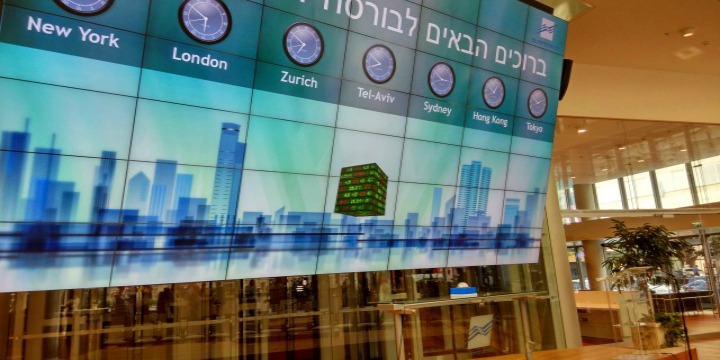
The lobby of Tel Aviv’s stock exchange. Photo: Wiki Commons.
CTech – The top 1% in Israel makes eight times more money than the country’s entire fifth decile, according to the annual social status report published Thursday by Adva Center, a Tel Aviv-based non-partisan Israeli policy analysis organization. The average monthly income for households in the top 1% that have at least one adult member who is employed was NIS 138,700 (approximately $40,431) in 2018, compared to NIS 17,500 (approximately $5,100) among the fifth decile, the report showed. Between 2015 and 2018, the income of the top 1% grew by 20%, compared to just 10% for the rest of the top decile and the fifth decile.
The report attempts to undermine what its authors consider a common misconception among policy makers: that encouraging growth will improve the wages and financial situation of the general population. “The benefits of accelerated growth are more likely to find their way into the pockets of the wealthy and not into those of the average worker,” the report’s authors wrote. In the past few decades, the share of employees in the national income pie has shrunk, while that of their employers grew, they added. Between 1968 and 2018, Israel’s gross domestic product (GDP) multiplied by 2.88, but real wages were only 2.28 times higher by the end of the period, the report stated based on data from Bituah Leumi, Israel’s national social security agency.
Financial gaps tend to intensify with old age and according to the report, they are exemplified by the pensions collected by Israel’s elderly. While the lowest deciles receive a pension of less than NIS 1,500 (approximately $440) a month, the top decile benefits from an average of NIS 19,600 (approximately $5,700) a month.
On a global outlook, the number of people below the poverty threshold stood at 19.9% of the Israeli population in 2016, compared with a 13.5% OECD average.
Shlomo Svirsky, one of the report’s authors, believes the interests of the general public should be at the heart of state policy. “The state budget should incorporate equality promoting engines instead of just growth engines,” he wrote in the report. “The government should invest in areas where the business sector does not and set an example by paying above minimum wage to its low-income employees,” he added. Additional challenges Svirsky named were meeting the ever-growing needs of the country’s health system and blocking its privatization process; developing long-term, rent-controlled housing options; and strengthening the country’s social security safety net.