 Pod Save America Hosts Call on Democrats to Cut All Israel Military Aid, No Longer Accept AIPAC Funding
 Jews, Israelis Targeted in Austria Amid Surge in Antisemitic Incidents; Local Jewish Community Calls for Action
 ‘All of Our Strength’: Over 1,000 Pro-Israel Activists Gather in DC for Solidarity Conference
 ‘Devastated’: Wesley LePatner, Killed in Manhattan Mass Shooting, Was a Jewish Communal, Philanthropic Leader
 Sen. Angus King Vows to No Longer Vote for Israel Military Aid Until Gaza Conditions Improve
 Europe Won’t Pressure Israel to ‘Commit Suicide’ Amid Gaza Backlash, Palestinian State Push, Says Israeli FM
 Israel’s National Soccer Coach Attacked in Athens Before Soccer Fans Chant ‘F–K Israel, Free Palestine’ at Match
 New York Judge Sentences Neo-Nazi to 5 Years for Livestreaming Bomb Threats Against Jewish Hospitals
 US Pressures Lebanon to Issue Cabinet Decision to Disarm Hezbollah Before Talks Continue
 UK Plans to Recognize Palestinian State in September Unless Israel Meets Conditions, Starmer Says


Coronavirus Panic Leads to 18% Jump in Israeli Food Sales — In One Week
Error: Contact form not found.
 by Nurit Kadosh / CTech

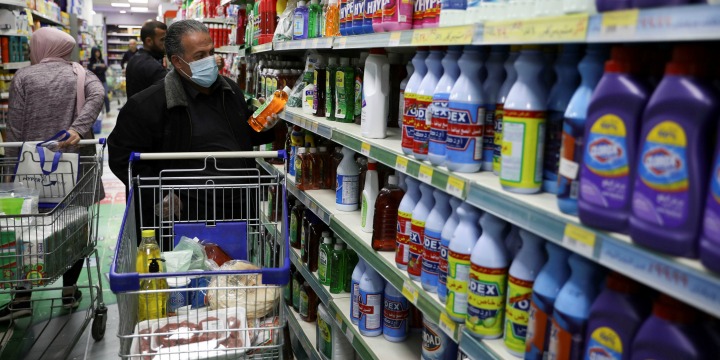
People shop in a mall amid concerns over the coronavirus (COVID-19) spread in Amman, Jordan, March 15, 2020. Photo: REUTERS/Muhammad Hamed.
CTech – Due to coronavirus panic buying, the first week of March has seen a 17.9% jump in consumer products sales in Israel compared to the same week last year, according to information services provider StoreNext. This follows a 3.1% increase year-over-year in the last week of February.
Per category, the sharpest jump, 30%, was recorded for canned goods, rice, pasta, and prepared foods. A 24% jump was seen for paper goods, oils, cleaning products, and cooking and baking aids. Sauces, spreads, hygiene products, and frozen vegetables increased by 19%. The hand sanitization category grew in terms of product stock by 28.8% year-over-year, and its sales since the start of 2020 have surpassed total sales for 2019.
Over the weekend, Israeli retailers benefited yet again from the crowds descending on the stores. Tiv Ta’am, a local 24/7 supermarket chain, saw 2.5 times the normal amount of customers, with each shopper buying 157% more on average. Supermarket chain Victory reported sales 1.5 times higher than average on Friday. According to Automated Bank Services, a central credit card clearance and communications network company working in Israel, Israelis spent NIS 22.2 billion (approximately $5.86 billion) over the past weekend using credit cards at stores, a 1.4% increase in activity compared to the weekend before. Credit card usage for online shopping jumped by 5.3%, or NIS 849 million (approximately $224 million), from the previous weekend.
Despite the panic, Israel is not expected to suffer food shortages. The government estimates the national food stockpile is expected to see the country through an entire year, the Ministry of Economy told Calcalist in response to a query. The stockpile, which does not include stock held by manufacturers, is managed by the ministry and includes products such as flour, oil, salt, rice, yeast, canned tuna, pasta, and baby formula. The ministry is in daily contact with food manufacturers to keep tabs on everything, it said.
The location of the national stockpile warehouses is classified, and they will only be opened if regular supply is interrupted, a scenario the government currently estimates is unlikely.