 Pod Save America Hosts Call on Democrats to Cut All Israel Military Aid, No Longer Accept AIPAC Funding
 Jews, Israelis Targeted in Austria Amid Surge in Antisemitic Incidents; Local Jewish Community Calls for Action
 ‘All of Our Strength’: Over 1,000 Pro-Israel Activists Gather in DC for Solidarity Conference
 ‘Devastated’: Wesley LePatner, Killed in Manhattan Mass Shooting, Was a Jewish Communal, Philanthropic Leader
 Sen. Angus King Vows to No Longer Vote for Israel Military Aid Until Gaza Conditions Improve
 Europe Won’t Pressure Israel to ‘Commit Suicide’ Amid Gaza Backlash, Palestinian State Push, Says Israeli FM
 Israel’s National Soccer Coach Attacked in Athens Before Soccer Fans Chant ‘F–K Israel, Free Palestine’ at Match
 New York Judge Sentences Neo-Nazi to 5 Years for Livestreaming Bomb Threats Against Jewish Hospitals
 US Pressures Lebanon to Issue Cabinet Decision to Disarm Hezbollah Before Talks Continue
 UK Plans to Recognize Palestinian State in September Unless Israel Meets Conditions, Starmer Says


Eating Disorders, Depression Increased Among Israeli Teens During Covid-19 Pandemic, Study Finds
Error: Contact form not found.
 by JNS.org

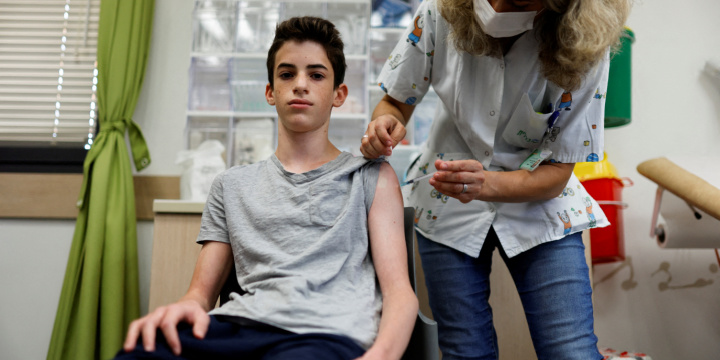
A teenager receives a dose of a vaccine against COVID-19 as Israel urged more 12- to 15-year-olds to be vaccinated, citing new outbreaks attributed to the more infectious Delta variant, at a Clalit healthcare maintenance organisation in Tel Aviv, Israel June 21, 2021. Photo: Reuters/Amir Cohen
JNS.org – There was a significant spike in mental health diagnoses and consumption of different types of psychiatric medications by Israeli adolescents during the last two years of the COVID-19 pandemic, a new study has shown.
The data, released on Tuesday by Maccabi Healthcare Services and its KI Institute for research, showed an overall increase of 55 percent in the diagnoses of eating disorders, 38 percent of depression, and 33 percent of anxiety.
It also found a 28 percent increase in the administration of anti-psychotic drugs.
The problem was even more acute among adolescent girls, according to the study, which showed a 68 percent increase in the diagnosis of depression, 67 percent of eating disorders, 42 percent of anxiety, and 29 percent of general stress.
Researchers analyzed 200,000 medical records of teens between the ages of 12 to 17 from before and during the pandemic to reach their conclusions.
“The alarming findings once again indicate the need for national preparation, not only against the pandemic but also against its mental effects,” said Dr. Gilad Bodenheimer, head of mental-health services for Maccabi.
He called on the state to allocate a budget for a national program to respond to the mental state of children and youth.
“The program should focus on preventive care,” he said, “and integrating the arms of education, welfare, and, of course, health.”
This is not the first study to identify mental-health challenges in Israel as a result of the virus. A study released in August by scientists from the Weizmann Institute of Science, for example, showed increased mental distress among Israelis, especially among women, young adults, and people who became unemployed as a result of the crisis.
A report released in April by Professor Michal Grinstein-Weiss of Washington University and the Interdisciplinary Center Herzliya, together with Professor Rami Benvenisti of the Hebrew University in Jerusalem, showed that one in five children — 21 percent and three times more than before the coronavirus crisis — were suffering from symptoms of anxiety.