 Pod Save America Hosts Call on Democrats to Cut All Israel Military Aid, No Longer Accept AIPAC Funding
 Jews, Israelis Targeted in Austria Amid Surge in Antisemitic Incidents; Local Jewish Community Calls for Action
 ‘All of Our Strength’: Over 1,000 Pro-Israel Activists Gather in DC for Solidarity Conference
 ‘Devastated’: Wesley LePatner, Killed in Manhattan Mass Shooting, Was a Jewish Communal, Philanthropic Leader
 Sen. Angus King Vows to No Longer Vote for Israel Military Aid Until Gaza Conditions Improve
 Europe Won’t Pressure Israel to ‘Commit Suicide’ Amid Gaza Backlash, Palestinian State Push, Says Israeli FM
 Israel’s National Soccer Coach Attacked in Athens Before Soccer Fans Chant ‘F–K Israel, Free Palestine’ at Match
 New York Judge Sentences Neo-Nazi to 5 Years for Livestreaming Bomb Threats Against Jewish Hospitals
 US Pressures Lebanon to Issue Cabinet Decision to Disarm Hezbollah Before Talks Continue
 UK Plans to Recognize Palestinian State in September Unless Israel Meets Conditions, Starmer Says


The Origins of LaShon Hara
Error: Contact form not found.
 by Jeremy Rosen

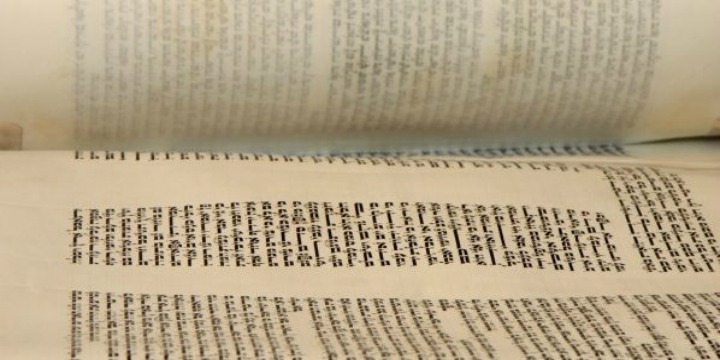
A Torah scroll. Photo: RabbiSacks.org.
Miriam and Aaron complained to Moshe about his wife, calling her Isha Cushit, a woman of Cush (“Numbers,” Chapter 12).
The word Cushi in modern Hebrew usage refers to a person’s skin color as black. Cush is also used geographically to refer to Yemen in Arabia or Abyssinia in Africa. And it is used by the prophet Amos (9:7) to describe Israel as being special in the eyes of God. Cush can also mean beautiful and remarkable. But some ignorant or prejudiced people see the term as derogatory and an example of racial prejudice.
Jewish law has never made color a factor for prejudice or discrimination. Regardless of race or color, a person can become a full Jew and be valued and welcomed. There is no place for prejudice in Judaism, even if amongst some Jews, as amongst every other ethnic and social group in the world today, prejudice still survives.
The story in “Numbers” cannot be an example of prejudice on several counts. First of all, Moshe’s wife Zipporah came from Midian, which was Semitic as opposed to African. She was the only wife of Moshe mentioned in the Torah. Although a Midrash suggested that Moshe had once been a prince of Cush in Southern Egypt and married a local woman there, if Zipporah’s background had been a problem, why did they not complain much earlier, when they first met her?
After voicing their objection to Moshe’s wife, Miriam and Aaron go on to say that “God has spoken to us too,” so the issue seems to have been one of power, not Zipporah.
After the Ten Commandments were given on Sinai, Moses reasoned that if the children of Israel were told to keep away from their wives for three days to be spiritually prepared to receive God’s message, he — who constantly received the word of God — ought to be permanently separated. So, he moved out and lived apart from his wife. Miriam saw this as a dereliction of leadership, because his example might be followed by others.
So why was Miriam punished for a legitimate argument? One answer is that the very public nature of her protest, together with Aaron was the error, not the argument itself. She was also guilty of spreading ill will or gossip. Traditionally Miriam is blamed for LaShon Hara — gossiping and revealing confidences. It is not always the argument that may be wrong, but the way it is presented that causes the trouble.
Protest is legitimate. But it depends on motive, and on how and where you protest. Both Miriam and Aaron were close enough to Moses to raise issues personally. They did not need to make it public.
The author is a rabbi and writer based in New York.