 Pod Save America Hosts Call on Democrats to Cut All Israel Military Aid, No Longer Accept AIPAC Funding
 Jews, Israelis Targeted in Austria Amid Surge in Antisemitic Incidents; Local Jewish Community Calls for Action
 ‘All of Our Strength’: Over 1,000 Pro-Israel Activists Gather in DC for Solidarity Conference
 ‘Devastated’: Wesley LePatner, Killed in Manhattan Mass Shooting, Was a Jewish Communal, Philanthropic Leader
 Sen. Angus King Vows to No Longer Vote for Israel Military Aid Until Gaza Conditions Improve
 Europe Won’t Pressure Israel to ‘Commit Suicide’ Amid Gaza Backlash, Palestinian State Push, Says Israeli FM
 Israel’s National Soccer Coach Attacked in Athens Before Soccer Fans Chant ‘F–K Israel, Free Palestine’ at Match
 New York Judge Sentences Neo-Nazi to 5 Years for Livestreaming Bomb Threats Against Jewish Hospitals
 US Pressures Lebanon to Issue Cabinet Decision to Disarm Hezbollah Before Talks Continue
 UK Plans to Recognize Palestinian State in September Unless Israel Meets Conditions, Starmer Says


First Shipment of Gas Delivered from Israeli Karish Field
 by Andrew Bernard

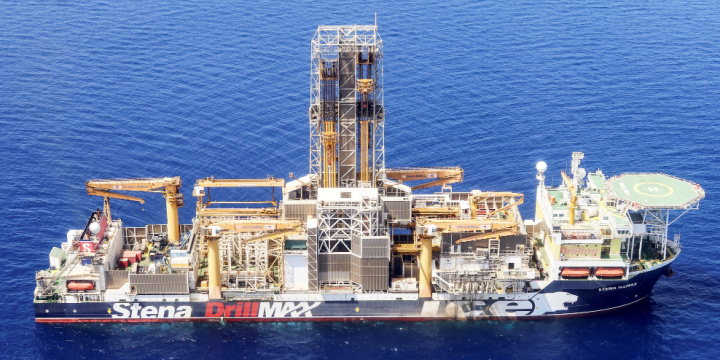
London-based Energean’s drill ship begins drilling at the Karish natural gas field offshore Israel in the east Mediterranean May 9, 2022. REUTERS/Ari Rabinovitch
The first shipment of natural gas from Israel’s Mediterranean Karish gas field has been delivered, the company developing the field announced on Wednesday. London-based Energean PLC said that it was steadily ramping up gas production and expects commercial gas sales to begin within four to six months.
Energean say that the initial gas production capacity is 6.5 billion cubic meters (bcm) per year, but that their production facility has an ultimate capacity of 8 bcm per year. Israel’s largest natural gas field, the Leviathan field, produces 12 bcm per year, but has total reserves about 20 times larger than Karish.
The Karish field is part of the Israel-Lebanon maritime border agreement that will be signed on Thursday. Under the deal, Israel retains the entirety of the Karish field and will take 17% of the revenue from the neighboring Qana field, with the rest going to Lebanon.
Israel became a major energy exporter in 2019 when it signed a gas export agreement with Egypt. In June, the European Union, Egypt, and Israel signed a memorandum of understanding for Israeli natural gas to be exported to Europe after processing in Egyptian liquefied natural gas facilities. That deal is now the basis for hopes that Israel could benefit from European gas shortages after Russia cut off flows following its February invasion of Ukraine.
“Israel will become in the near future a major supplier of gas to Europe,” Israeli Prime Minister Yair Lapid said in a meeting with Dutch Prime Minister Mark Rutte in Jerusalem on Monday.
The Israel-Lebanon maritime border deal will be signed without a voted approval of the Israeli Knesset, as the Israeli Supreme Court on Sunday dismissed petitions from right-wing groups that the agreement requires Knesset approval by custom and under Israel’s “Basic Law: Referendum,” which applies to any agreement that cedes Israeli territory. Supporters of the deal argued that underwater territories are not covered by the provisions of the Basic Law.