 Pod Save America Hosts Call on Democrats to Cut All Israel Military Aid, No Longer Accept AIPAC Funding
 Jews, Israelis Targeted in Austria Amid Surge in Antisemitic Incidents; Local Jewish Community Calls for Action
 ‘All of Our Strength’: Over 1,000 Pro-Israel Activists Gather in DC for Solidarity Conference
 ‘Devastated’: Wesley LePatner, Killed in Manhattan Mass Shooting, Was a Jewish Communal, Philanthropic Leader
 Sen. Angus King Vows to No Longer Vote for Israel Military Aid Until Gaza Conditions Improve
 Europe Won’t Pressure Israel to ‘Commit Suicide’ Amid Gaza Backlash, Palestinian State Push, Says Israeli FM
 Israel’s National Soccer Coach Attacked in Athens Before Soccer Fans Chant ‘F–K Israel, Free Palestine’ at Match
 New York Judge Sentences Neo-Nazi to 5 Years for Livestreaming Bomb Threats Against Jewish Hospitals
 US Pressures Lebanon to Issue Cabinet Decision to Disarm Hezbollah Before Talks Continue
 UK Plans to Recognize Palestinian State in September Unless Israel Meets Conditions, Starmer Says


Rosh Hashanah, 2023
Error: Contact form not found.
 by Jeremy Rosen

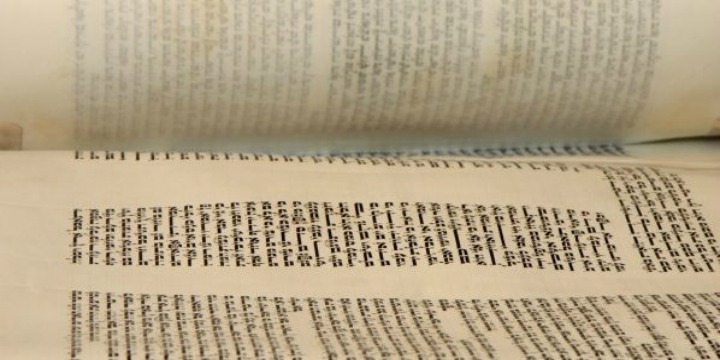
A Torah scroll. Photo: RabbiSacks.org.
In one sense you could say that Rosh Hashanah is a festival about parents and children.
From the Torah, we read about Abraham’s tortured relationships. Sarah could not conceive, and Abraham had a child, Ishmael, with Hagar — Sarah’s maidservant. This led to tension between Hagar and Sarah. Abraham was torn between the two.
The Torah reading on the first day of Rosh Hashanah starts with Sarah conceiving. She gave birth to Isaac. This too brought conflict with Hagar, and she insisted that Abraham choose. He was reluctant. But God instructed him to side with Sarah. Hagar and Ishmael were exiled.
There is a very moving episode where Hagar believed that Ishmael was dying of thirst, until God intervened and they ended up in another part of Abraham’s estate. One can feel the pain of innocents being tortured by circumstances. The narrative continues with Abraham’s difficult relationship with the political powers he had to engage with.
On the second day’s reading, Abraham is commanded to sacrifice his son. We are told in advance that it is a test, a charade if you like. But Abraham did not know. One can only imagine the agony he went through. He could barely speak. One feels the tension. His inability to communicate with his son. We know that it turns out well, although the Midrash suggests that Sarah was the real casualty and died of shock.
The Haftorah advances hundreds of years to the time of Samuel and his mother, Hannah. Hannah also had a problem conceiving. Her husband Elkanah loved her, but he had taken another wife to bear children. In her agony, she poured her heart out to God. Unlike most people when they pray, she did not ask for anything. It is a profound expression of yearning for ease, a reaching out to feel the presence and comfort of God. Hannah‘s prayer is an example of what personal prayer (in contrast to public prayer) should be like.
It is so relevant to Rosh HaShanah, because it illustrates how one should relate to God in our tradition. I see her as the mirror of the agonies Abraham and Sarah experienced. And I suggest that this is the core of the Rosh Hashanah experience. Atonement comes later. The first stage is communication between humans and how we can understand God, despite the pain and alienation that so often get in the way.
The relationship between parents and children reflects the relationship between God and us. From the Bible to Freud, we know about the tensions and conflict that exist in family dynamics, and the constant struggle to get it right both personally and in relation to our Jewish tradition. The rabbis of the Talmud called it “Tsaar Gidul Banim” — the pain of bringing up children. And yet children can bring so much joy and pleasure. And in a way, this parallels our relationship with God and Judaism.
The shofar takes us back to the ram that replaced Isaac on the altar. Its intangible sound is a symbol of memory, how we came to be the people we are today — born out of pain and alienation. Yet there were always those children who helped pass on the baton.
We are all children on Rosh Hashanah, facing the future, relying on what our parents have given us, and aspiring to establish a relationship with God. All families experience pain, loss, and alienation. Yet it is the passion that helps us cope and thrive. And when we succeed there is no greater delight in this world. Rosh Hashanah invites us to examine our values, and Yom Kipur inspires us to do better.
The world around us is dysfunctional and alienating. We rely on our families and our traditions to give us refuge and enable us to cope.
May you have a very sweet, healthy, and successful New Year.
The author is a writer and rabbi, currently based in New York.