 Pod Save America Hosts Call on Democrats to Cut All Israel Military Aid, No Longer Accept AIPAC Funding
 Jews, Israelis Targeted in Austria Amid Surge in Antisemitic Incidents; Local Jewish Community Calls for Action
 ‘All of Our Strength’: Over 1,000 Pro-Israel Activists Gather in DC for Solidarity Conference
 ‘Devastated’: Wesley LePatner, Killed in Manhattan Mass Shooting, Was a Jewish Communal, Philanthropic Leader
 Sen. Angus King Vows to No Longer Vote for Israel Military Aid Until Gaza Conditions Improve
 Europe Won’t Pressure Israel to ‘Commit Suicide’ Amid Gaza Backlash, Palestinian State Push, Says Israeli FM
 Israel’s National Soccer Coach Attacked in Athens Before Soccer Fans Chant ‘F–K Israel, Free Palestine’ at Match
 New York Judge Sentences Neo-Nazi to 5 Years for Livestreaming Bomb Threats Against Jewish Hospitals
 US Pressures Lebanon to Issue Cabinet Decision to Disarm Hezbollah Before Talks Continue
 UK Plans to Recognize Palestinian State in September Unless Israel Meets Conditions, Starmer Says


US Wants to Avoid ‘Greater War’ Along Lebanon-Israel Border, Envoy Says
Error: Contact form not found.
 by Reuters and Algemeiner Staff

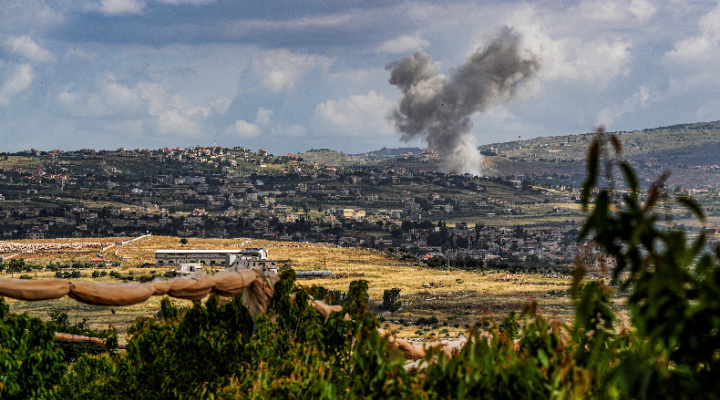
Smoke rises above south Lebanon following an Israeli strike amid ongoing cross-border hostilities between Hezbollah and Israeli forces, as seen from Israel’s border with Lebanon in northern Israel, May 5, 2024. Photo: REUTERS/Ayal Margolin
The United States is trying to avert a greater war between Israel and Lebanon‘s Hezbollah terrorist organization, US envoy Amos Hochstein said on Tuesday, following an escalation in cross-border fire between the foes along Lebanon‘s southern frontier.
Iran-backed Hezbollah has been trading fire with Israel for the last eight months in parallel with the Gaza war. Last week, the group fired the largest volleys of rockets and drones of the hostilities so far at Israeli military sites, after an Israeli strike killed the most senior commander yet.
Hochstein, special envoy to US President Joe Biden, said he had been dispatched to Lebanon immediately following a brief trip to Israel because the situation was “serious.”
“We have seen an escalation over the last few weeks. And what President Biden wants to do is avoid a further escalation to a greater war,” Hochstein said on Tuesday.
He had met with the head of Lebanon‘s army earlier on Tuesday morning and spoke to reporters following a meeting with parliament speaker Nabih Berri, who heads the armed Amal movement, which is allied to Hezbollah and has also fired rockets on Israel in recent months.
The US and France are engaged in diplomatic efforts to secure a negotiated end to the hostilities along Lebanon‘s border. Hezbollah says it will not halt its attacks unless there is a ceasefire in the Gaza Strip.
Hochstein on Tuesday urged Hamas to accept a US-backed proposal for a ceasefire in Gaza, which he said “also provides an opportunity to end the conflict across the Blue Line,” a reference to a demarcation line between Lebanon and Israel where parts of the international border are disputed.
Hochstein also met caretaker Lebanese Prime Minister Najib Mikati, who told him that “Lebanon does not seek escalation,” according to comments issued by Mikati’s office.
The uptick in attacks last week was followed by a brief respite during the Eid al-Adha Muslim holiday, which concludes on Tuesday. Hezbollah announced a drone attack against an Israeli tank on Tuesday afternoon — its first announced attack since Saturday.
The group used more of its extensive arsenal against Israel last week, prompting United Nations officials in Lebanon to warn over the weekend that the “danger of miscalculation leading to a sudden and wider conflict is very real.”
UN human rights chief Volker Turk said on Tuesday that he too was worried about the escalation, and called “for a cessation of hostilities and for actors with influence to take all possible measures to avert a full-scale war.”