 Pod Save America Hosts Call on Democrats to Cut All Israel Military Aid, No Longer Accept AIPAC Funding
 Jews, Israelis Targeted in Austria Amid Surge in Antisemitic Incidents; Local Jewish Community Calls for Action
 ‘All of Our Strength’: Over 1,000 Pro-Israel Activists Gather in DC for Solidarity Conference
 ‘Devastated’: Wesley LePatner, Killed in Manhattan Mass Shooting, Was a Jewish Communal, Philanthropic Leader
 Sen. Angus King Vows to No Longer Vote for Israel Military Aid Until Gaza Conditions Improve
 Europe Won’t Pressure Israel to ‘Commit Suicide’ Amid Gaza Backlash, Palestinian State Push, Says Israeli FM
 Israel’s National Soccer Coach Attacked in Athens Before Soccer Fans Chant ‘F–K Israel, Free Palestine’ at Match
 New York Judge Sentences Neo-Nazi to 5 Years for Livestreaming Bomb Threats Against Jewish Hospitals
 US Pressures Lebanon to Issue Cabinet Decision to Disarm Hezbollah Before Talks Continue
 UK Plans to Recognize Palestinian State in September Unless Israel Meets Conditions, Starmer Says


My Journey at LinkedIn: Censorship, Silence, and the Cost of Speaking Up for Israel
Error: Contact form not found.
 by Sabine Sterk
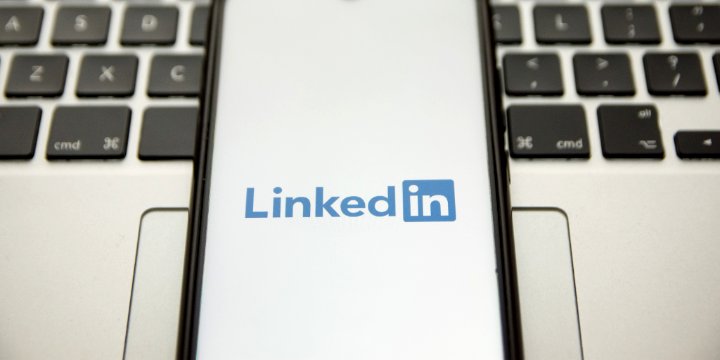
In this photo illustration a LinkedIn logo is seen displayed on a smartphone screen with a computer keyboard in the background in Athens, Greece on January 10, 2022. Photo: by Nikolas Kokovlis/NurPhoto/Reuters
Since 2012, I have been an active member of LinkedIn. Like many professionals around the world, I saw it as a place to connect, grow, and engage with a global network. For years, that vision held true. LinkedIn was a space for ideas, innovation, and respectful dialogue.
But everything changed after the 2014 Gaza War.
The platform slowly transformed. Political discourse became more prevalent — and with it, a rising tide of anti-Israel rhetoric and antisemitism. The successful spread of Pallywood-style propaganda seeped into what was once a neutral professional environment. I began to see not just criticism of Israeli policy, but open hatred of Jews, Israelis, and Zionists.
As the founder of the NGO Time To Stand Up For Israel, I took to LinkedIn with purpose. For years, I posted three times a day — informing, educating, and reporting, often in a journalistic tone. My goal was simple: to share facts, tell stories, and create awareness. And for a while, it worked.
Until it didn’t.
Without warning, my account was deleted — silenced through mass reporting and doxxing campaigns that targeted pro-Israel voices. I was not alone. Other voices supporting Israel — Jewish users, Israeli professionals, and Zionist advocates — were censored, shut down, or swept off the platform.
No appeal. No explanation. No justice.
In my case, I did contact LinkedIn — and to their credit, they responded. But they absolutely refuse to tell me why my account had been flagged or disabled. I had no chance to even have a discussion — let alone see — what content they said violated their terms of service.
My account was eventually restored, but then I ran into the same problems again. And once again, I could not have any access to LinkedIn’s decision-making or their justification for removing content.
LinkedIn, a company now owned by Microsoft, has made itself nearly untouchable. There is no easily accessible help desk. They demand highly confidential documents like a passport copy just to consider reinstatement. And even then, there’s often silence.
Meanwhile, antisemitic hate thrives. I have personally seen posts that glorify Hitler, that mock the Holocaust, that spew vile messages like — and many of these posts remain unchallenged and unremoved.
Why? Because LinkedIn is too big, too powerful, too shielded. Today, LinkedIn boasts over 1.2 billion users and monetizes its platform with high-priced subscriptions and services. Yet with all this power comes an absence of responsibility.
Many people remain largely unaware of LinkedIn’s selective censorship, its opaque processes, and its AI-driven responses that leave users powerless. Real people lose their livelihoods, businesses, and professional networks overnight — without explanation, and often without recourse.
We were told that LinkedIn was a place for professionals. For connection. For opportunity. But if speaking up for Israel gets you banned, while celebrating Hitler gets you likes, what kind of platform is this really?
And more importantly — when does it stop?
Sabine Sterk is the CEO of Time To Stand Up For Israel.