 Pod Save America Hosts Call on Democrats to Cut All Israel Military Aid, No Longer Accept AIPAC Funding
 Jews, Israelis Targeted in Austria Amid Surge in Antisemitic Incidents; Local Jewish Community Calls for Action
 ‘All of Our Strength’: Over 1,000 Pro-Israel Activists Gather in DC for Solidarity Conference
 ‘Devastated’: Wesley LePatner, Killed in Manhattan Mass Shooting, Was a Jewish Communal, Philanthropic Leader
 Sen. Angus King Vows to No Longer Vote for Israel Military Aid Until Gaza Conditions Improve
 Europe Won’t Pressure Israel to ‘Commit Suicide’ Amid Gaza Backlash, Palestinian State Push, Says Israeli FM
 Israel’s National Soccer Coach Attacked in Athens Before Soccer Fans Chant ‘F–K Israel, Free Palestine’ at Match
 New York Judge Sentences Neo-Nazi to 5 Years for Livestreaming Bomb Threats Against Jewish Hospitals
 US Pressures Lebanon to Issue Cabinet Decision to Disarm Hezbollah Before Talks Continue
 UK Plans to Recognize Palestinian State in September Unless Israel Meets Conditions, Starmer Says


Iran’s Top Leader Khamenei Slams ‘Outrageous’ US Demands in Nuclear Talks
Error: Contact form not found.
 by Reuters and Algemeiner Staff

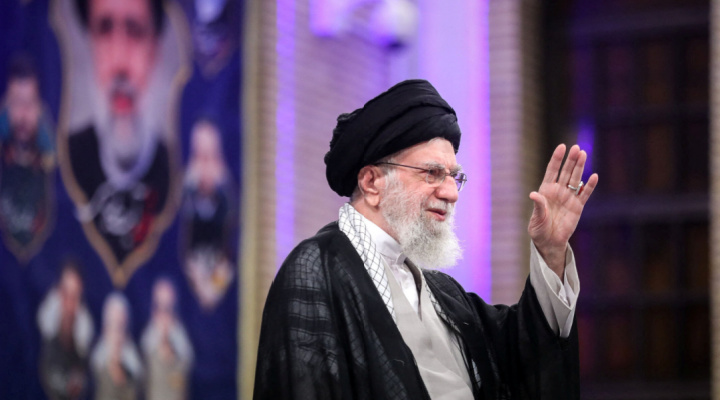
Iran’s Supreme Leader Ayatollah Ali Khamenei waves during a meeting in Tehran, Iran, May 20, 2025. Photo: Office of the Iranian Supreme Leader/WANA (West Asia News Agency)/Handout via REUTERS
Iran’s so-called “supreme leader,” Ayatollah Ali Khamenei, said US demands that Tehran stop enriching uranium are “excessive and outrageous,” state media reported, voicing doubts whether talks on a new nuclear deal will succeed.
“I don’t think nuclear talks with the US will bring results. I don’t know what will happen,” Khamenei said, adding that Washington should avoid making “nonsense” demands in the negotiations, four rounds of which have been held.
“A date has been suggested but we have not yet accepted it,” Foreign Minister Abbas Araqchi told state media on Tuesday when asked about a fifth round of talks, which an Iranian official said on Monday might be held this weekend in Rome.
“We are witnessing positions on the US side that do not go along with any logic and are creating problems for the negotiations. That’s why we have not determined the next round of talks, we are reviewing the matter and hope logic will prevail,” Araqchi added.
The talks on a new nuclear deal appear on shaky ground as both Iran and the US have clashed over the issue of uranium enrichment.
Deputy Foreign Minister Majid Takht-Ravanchi said on Monday the talks would fail if Washington insists Tehran refrain from domestic enrichment of uranium, which the US says is a possible pathway to developing nuclear bombs. Tehran says its nuclear energy program has entirely peaceful purposes, a claim disputed by several Western countries.
Last week US President Donald Trump said Tehran needed to “move quickly or something bad is going to happen” after being given a proposal for a deal. The Islamic Republic maintains it has not received any written proposal from Washington.
Trump has repeatedly warned Iran it would be bombed and face severe sanctions if it did not reach a compromise to resolve its long disputed nuclear energy program.
During his first, 2017-21 term as president, Trump withdrew the United States from a 2015 deal between Iran and world powers that placed temporary limits on Tehran’s enrichment activities in exchange for relief from international sanctions.
Trump, who branded the now moribund 2015 accord one-sided in Iran’s favor, also reimposed sweeping US sanctions on Iran. The Islamic Republic responded by escalating enrichment.